
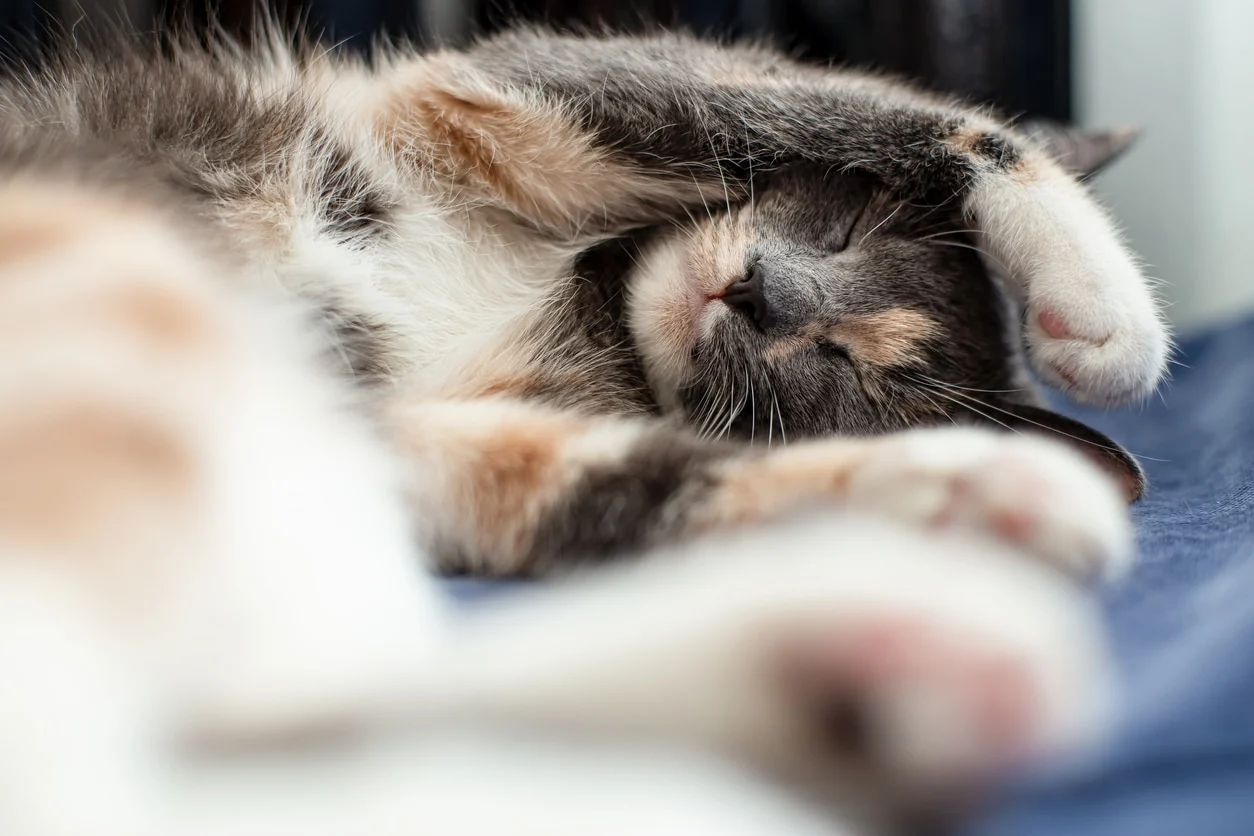
Yes, cats do dream.
And not in a “maybe, probably” way. In a scientifically supported way!
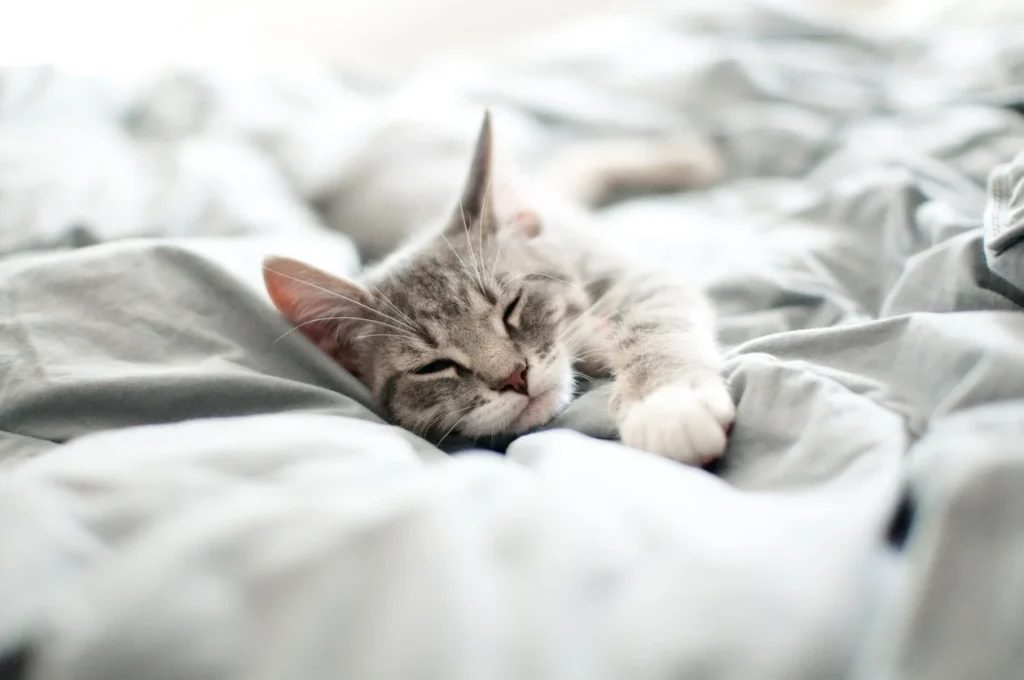 Like humans, cats experience different stages of sleep, including REM sleep (Rapid Eye Movement). REM sleep is the stage most strongly associated with dreaming in mammals. During this phase, the brain is highly active while the body is temporarily paralysed to stop us from acting out our dreams. Very sensible design, really.
Research has shown that cats spend a significant portion of their sleep time in REM. In fact, kittens spend even more time in this stage than adult cats, which mirrors human babies and their rapidly developing brains.
So when your cat is fast asleep and their whiskers start to quiver, their paws flick, or their tail gives a sleepy little lash, that’s a strong indicator that a dream is unfolding.
Verdict: Cats absolutely dream, and they do it often.
So, then what do cats dream about?
While we can’t exactly ask a cat to recount their dreams over breakfast, scientists have some educated guesses.
Cats are thought to dream about everyday experiences, much like humans do. Their dreams are likely stitched together from recent memories, instincts, and emotional moments.
Common themes probably include:
- Hunting or chasing prey (mice, birds….and those random, fast-moving red dots!)
- Exploring territory
- Playing with toys or other animals
- Interacting with humans or fellow fur friends
- Reliving moments of excitement, curiosity, or stress
If your cat is particularly chatty in their sleep, making little chirps or muffled meows, it may be tied to social interactions or hunting scenarios. Those running paw movements? The classic chase sequence!
In short, your cat’s dreams are probably a highlight reel of their waking life. Just with better editing and fewer interruptions.
Do cats have nightmares?
Yes, cats can have nightmares too.
Just like humans, cats can replay negative or stressful experiences during REM sleep. This is more likely in cats who have; experienced trauma or neglect, recently moved homes, encountered frightening situations, or have ongoing stress or anxiety.
Signs your cat may be having a nightmare include:
- Sudden jerking or thrashing movements
- Growling, hissing, or distressed vocalisations during sleep
- Waking suddenly and appearing startled or disoriented
- Taking longer than usual to settle after waking
It’s important not to wake a cat abruptly during what seems like a nightmare. Just like us, they may wake confused or defensive. Instead, speak softly from a distance or gently make a familiar sound so they can surface naturally.
If nightmares or restless sleep seem frequent, it may be a sign your cat is dealing with stress or anxiety in their waking life. In those cases, it’s worth looking at environmental triggers or chatting with your vet.
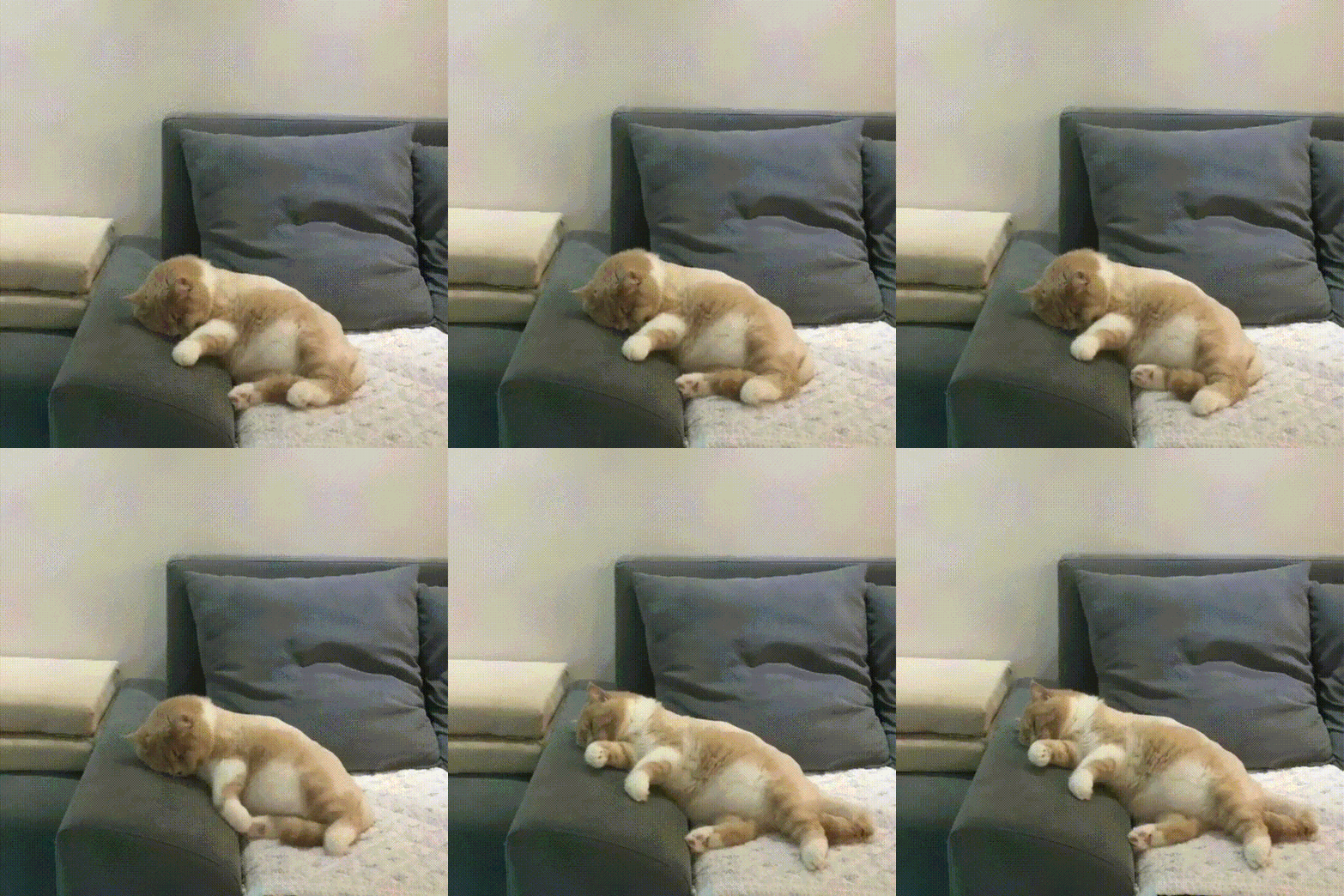
Dreaming of chasing mice, maybe?
Should you be concerned about cat dreams?
In most cases, dreaming is a healthy and normal part of cat sleep. Twitching, tail flicking, and quiet noises are all perfectly normal behaviours.
You should only be concerned if:
- Sleep disturbances are sudden and severe
- Your cat appears distressed regularly during sleep
- There are changes in behaviour, appetite, or mood while awake
Otherwise, those dreamy wiggles are just your cat’s brain doing its nightly housekeeping.
OK, let’s recap:
Do cats dream? Yes, during REM sleep.
What do cats dream about? Likely daily activities like hunting, playing, and social interactions.
Do cats have nightmares? Yes, especially if they’re stressed or have experienced trauma.
Your cat’s sleep isn’t just downtime. It’s a quiet, twitchy, occasionally dramatic world of memories and instincts playing out behind closed eyes.
So next time you catch your cat chasing something only they can see, rest easy. They’re not possessed. They’re just dreaming. Probably about snacks!
