
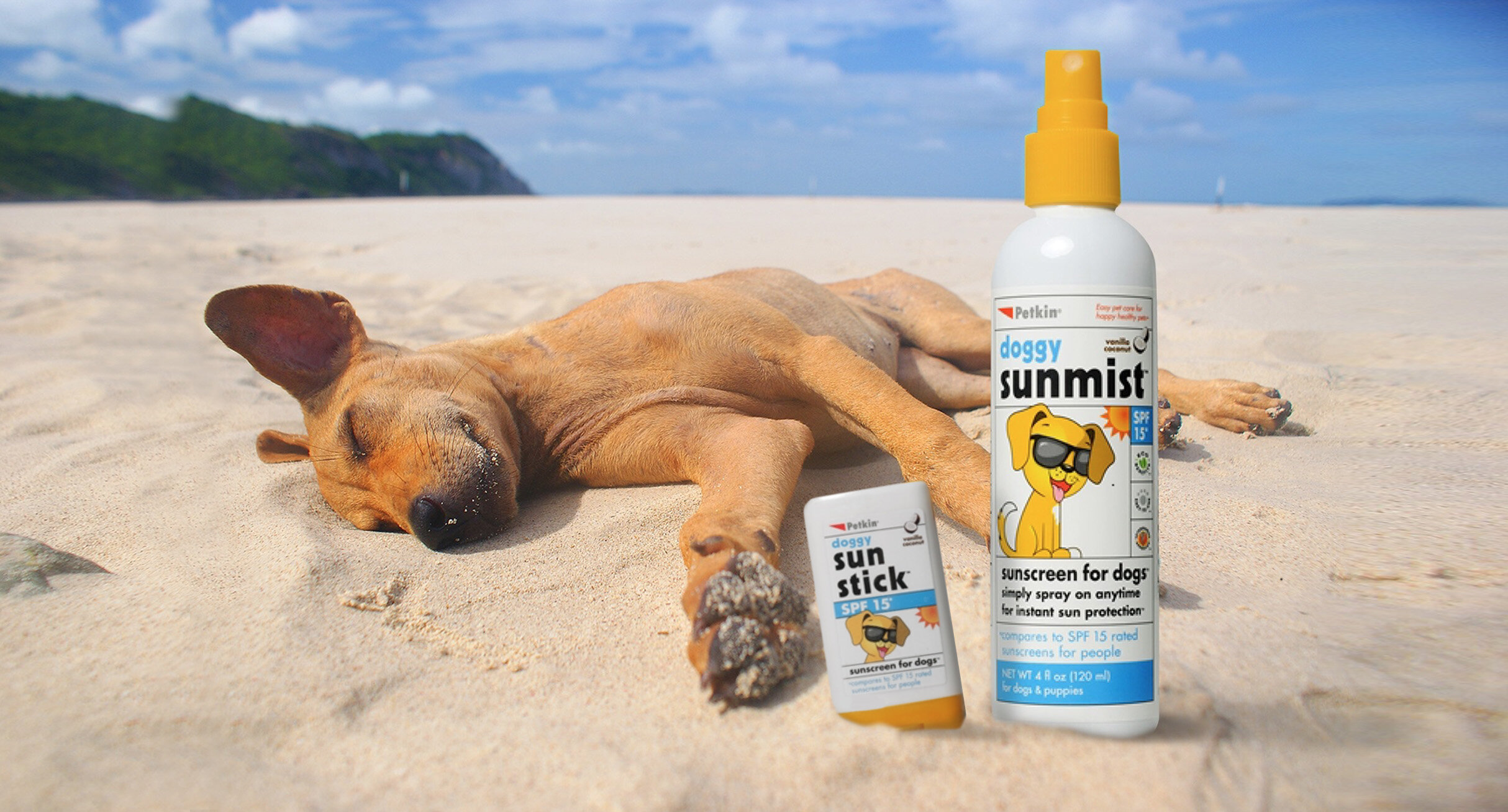
Australia’s sunshine might be great for weekend adventures, but our famously harsh UV levels aren’t just tough on humans — they’re tough on our dogs too. While many pet parents are vigilant about sun safety for themselves, fewer realise that dog sunscreen is an essential part of keeping their furry friend healthy and protected outdoors.
Can a dog get sunburn? In short, yes!
Whether you’re heading to the beach, going for a bush walk, or just spending time in the backyard, here’s why sunscreen matters for dogs, how to apply it correctly…. and, why human sunscreen isn’t the answer.
 3 reasons dog sunscreen is a must-have for every outdoor adventure:
1. Australian UV levels are intense
Australia often ranks among the highest UV exposure levels in the world, and dogs can get sunburned just like people. Even on cooler or cloudy days, UV rays can penetrate through the clouds and damage your dog’s skin.
2. Certain dogs are more at risk
Some pups are particularly vulnerable to sunburn, including:
Light-coloured dogs (white, cream, pale coats)
Dogs with thin or short coats, and (obviously) hairless breeds – we’re lookin’ at you, Xolos and Chinese Crested cuties!
Dogs with exposed or sensitive areas (like bellies, noses, ears)
Dogs with skin conditions or previous areas of hair loss
These dogs can experience redness, peeling, pain, and even long-term skin damage without proper protection.
3. Sun exposure increases the risk of skin cancer
Both humans and dogs can develop skin cancers, including squamous cell carcinoma and melanoma. Regular use of a suitable dog sunscreen reduces the risk and keeps their skin healthier in the long run.
 Can you use human sunscreen on dogs?
No, you shouldn’t use human sunscreen on dogs.
Most human sunscreens contain ingredients that are perfectly safe for us but potentially dangerous for pets. The biggest concern is zinc oxide, a common active ingredient in human sunscreen that can be toxic when ingested. And since most dogs instinctively lick anything applied to their skin, the risk of ingestion is high.
Other ingredients to avoid include: salicylates, artificial fragrances, and PABA (para-aminobenzoic acid). These can irritate a dog’s skin or cause stomach upset if licked.
For safety, always choose a sunscreen specifically labelled as dog-safe or pet-friendly. Found at many reputable pet stores, these formulas avoid harmful ingredients and are designed to be gentler on canine skin.
How to choose the right dog sunscreen
When comparing products, look for:
Zinc-free formulas
Broad-spectrum UVA + UVB protection
Water-resistant products for beach-loving dogs
Fragrance-free and gentle ingredients
To get the lowdown on some of the best dog sunscreen on the market, check out this article from Forbes. If you’re unsure which product is best for your dog, your vet can point you in the right direction.
How to apply dog sunscreen correctly
1. Focus on high-risk areas
Apply sunscreen to places where sunburn is most common:
The nose
Ear tips
Belly and inner thighs
Any thin or hairless patches
Bridge of the snout
Around (not in) the eyes
2. Use a thin, even layer
Rub it gently into the skin so it absorbs rather than sitting on top of the coat.
3. Distract your dog after applying
Since licking can remove sunscreen, distract your dog for a couple of minutes with treats or a quick game of fetch. You just need a moment to re-direct their attention to something else!
4. Reapply throughout the day
Re-apply dog sunscreen every 2–4 hours, or even more frequently if your adventures include swimming or if they’re rolling in sand or on grass. Heading to the beach? Check out our list of dog beach safety essentials before you go.
5. Combine sunscreen with other sun-safe habits
Sunscreen works best alongside:
Keeping to shaded areas
Using protective dog clothing where suitable
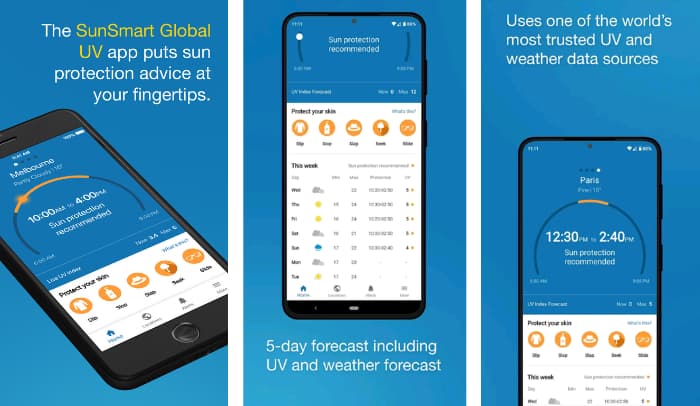
Avoiding peak UV times (10am–3pm) – we love the Cancer Council’s SunSmart app to check UV levels throughout the day.
Signs your dog may have sunburn
It’s important to spot the signs early so you can take action. Look out for:
Red or inflamed skin: The most obvious sign, especially on the nose, ears, belly, and other exposed areas.
Warm or sensitive patches: Your dog may flinch or pull away when you touch areas that are sunburned.
Peeling or flaky skin: Sunburned skin may peel a few days after exposure, particularly in light-coated or hairless dogs.
Excessive licking or scratching: Dogs instinctively try to soothe irritated skin, so persistent scratching or licking can indicate discomfort.
Swelling or blisters: Severe sunburn may cause swelling or small blisters, which require veterinary attention.
Behavioural changes: Sunburn can make your dog lethargic, irritable, or reluctant to go outside.
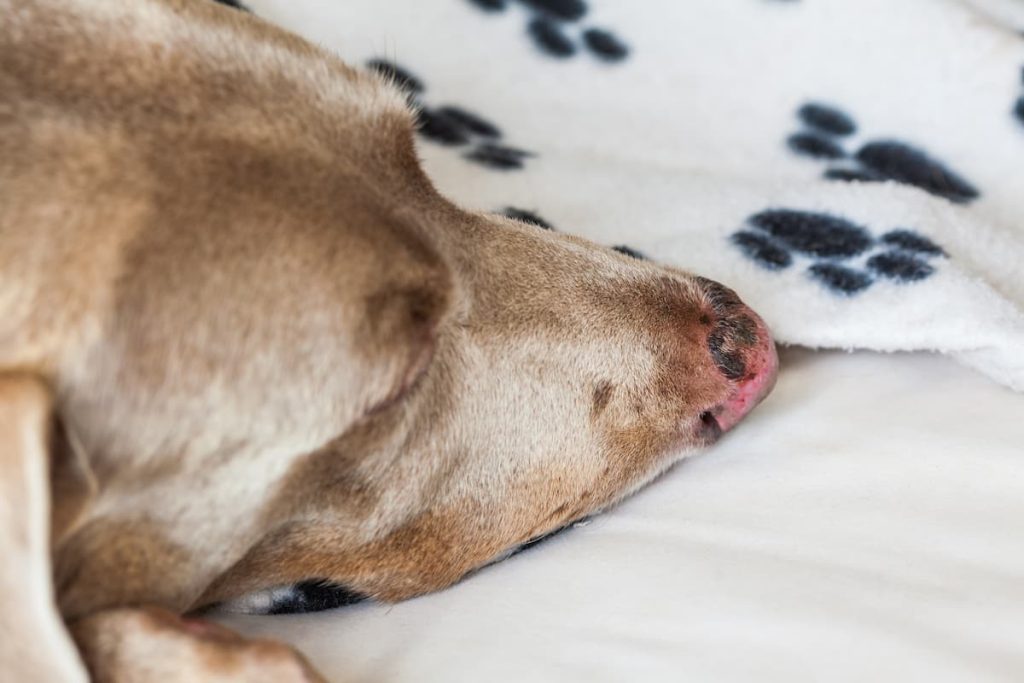
Dry or crusty nose: Dogs’ noses can burn easily, especially light-colored ones. Crusting or peeling is a warning sign.
If your dog shows any of these symptoms, it’s important to contact your vet promptly. Early care can prevent complications and keep your dog comfortable.
Our dogs love being part of our outdoor adventures, but the Australian sun can be unforgiving. Using dog sunscreen is one of the simplest ways to keep them safe from sunburn and UV damage.
With the right product and proper application, your pup can enjoy the sunshine while staying protected and comfortable all year round.
