
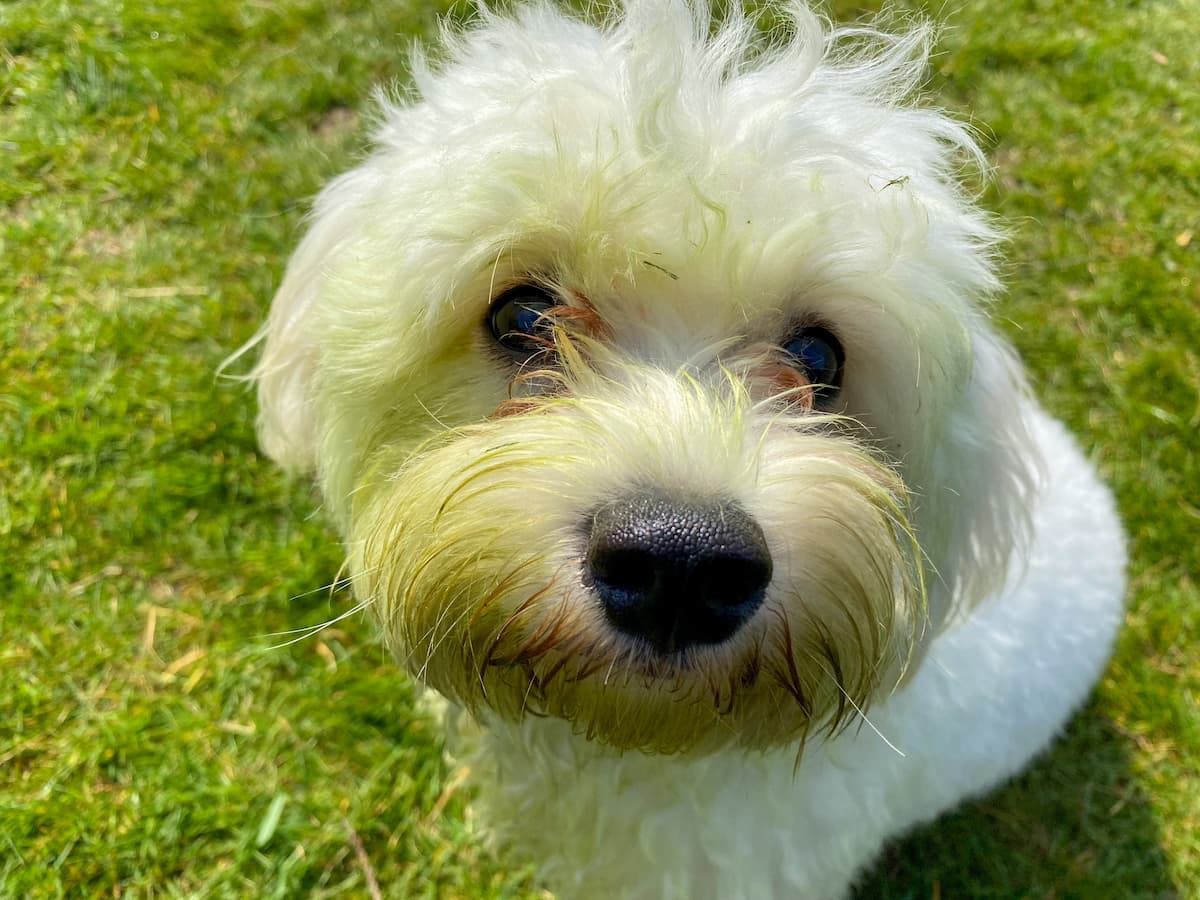
If your pet has rusty patches under their eyes, a brown beard, or paws that look permanently tea-stained, you’re not alone. Fur stains in dogs is incredibly common, especially ones with lighter coloured coats.


The good news? Most stains are harmless and manageable with the right grooming routine. The trick is understanding why the stain is happening in the first place, and what you can realistically do about it.
Here’s what every pet parent should know about stained fur.
The most common types of fur stains in pets
Not all stains are the same. In fact, they usually fall into three main categories.
1. Tear stains (the classic reddish streaks under the eyes)
Tear stains appear when a pet’s eyes produce more tears than can properly drain away. Those tears contain natural pigments called porphyrins, which oxidise and leave a reddish-brown mark on the fur.
They’re particularly common in small or flat-faced breeds, but they can appear in cats and dogs of all shapes and sizes.
You might notice tear stains if your pet has:
- watery eyes
- light-coloured fur
- long hair around the eye area
While they’re often cosmetic, excessive tearing can sometimes signal irritation or blocked tear ducts.
2. Saliva stains (beards, paws, and legs)
Ever noticed your dog’s beard turning brown or their paws looking rusty?
That’s usually caused by saliva. Just like tears, saliva contains pigments that can stain fur when pets lick the same spot repeatedly.
Saliva stains often show up around the mouth, paws, legs….basically, any areas pets constantly lick!
Persistent licking can also point to allergies, boredom, or skin irritation.
3. General coat discolouration
Some stains simply come from everyday life. Just like if we were to slurp up spaghetti bolognaise and leave it all around our face…it would (temporarily) stain our mouth. Same goes with our furry friends. Food residue in a dog’s beard, or dirt trapped in thick coats, and even urine stains can cause discolouration.
Over time, these can leave yellow or brown patches, especially on white or cream-coloured pets.
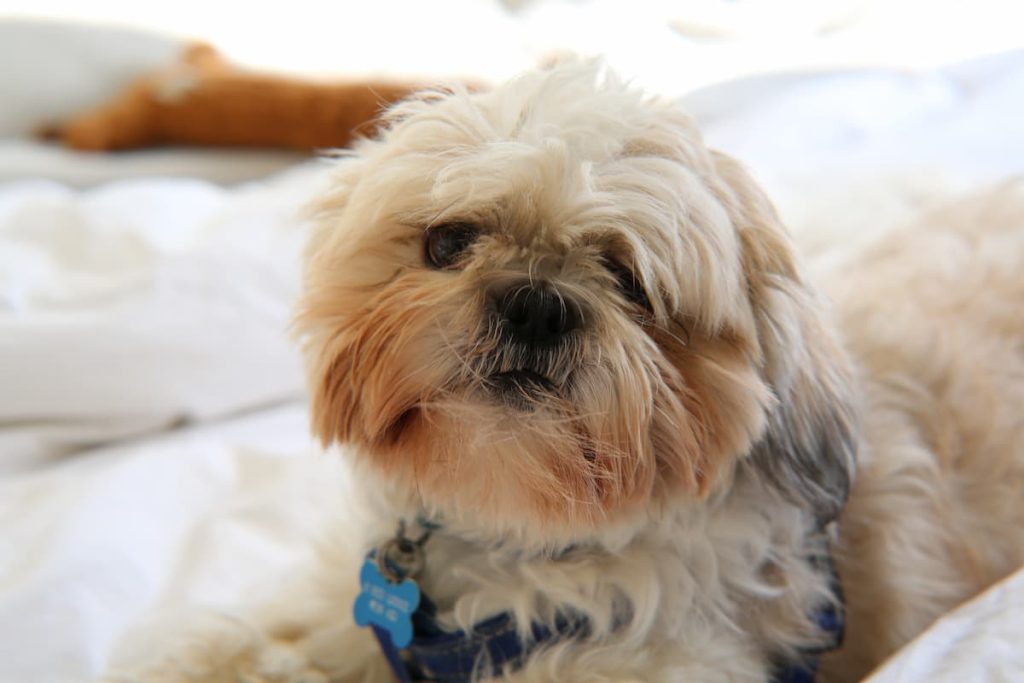 How to remove fur stains at home
While stains rarely disappear overnight, a few consistent habits can make a big difference.
1. Clean the area regularly
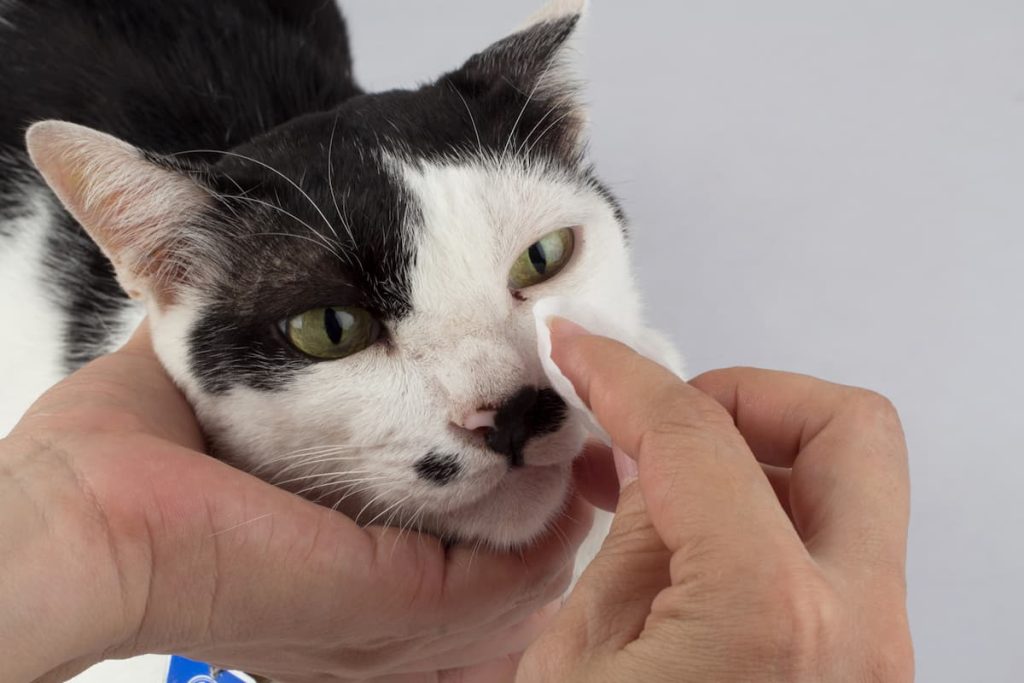
A gentle wipe once or twice a day can prevent stains from building up. Pet-safe tear stain remover wipes or warm water on a soft cloth work for pets who don’t mind a bit of all-up-in-your-face time! Otherwise there are tear stain remedy tablets or powder options that aim treat the underlying cause of tear stains in dogs and cats.
Tip: When manually cleaning tear stains, always wipe away from the eye and avoid harsh products.
2. Keep fur trimmed
Long hair traps moisture, which makes staining worse.
Carefully trimming fur around the eyes, mouth, or paws helps keep those areas cleaner and drier.
If you’re not confident using scissors near sensitive areas, it’s best to leave this one to a groomer.
3. Brush frequently
Brushing removes trapped debris and prevents saliva or moisture from sitting on the coat too long.
Regular brushing also spreads natural oils through the coat, helping keep fur healthier overall.
4. Keep bowls and bedding clean
Sometimes stains come from unexpected places. Plastic food bowls, for example, can harbour bacteria that contribute to fur staining. Switching to stainless steel or ceramic bowls and washing them daily can help.
Clean bedding also prevents dirt and saliva from transferring back onto your pet’s coat.
How to prevent fur stains in the fur-st place (get it?!)
Removing stains is one thing. Preventing them is even better. Here are a few preventative habits that can help keep coats looking their best:
- Wipe faces and paws after meals or outdoor adventures
- Keep long facial hair trimmed
- Maintain regular brushing
- Schedule consistent appointments with your dog groomer
Consistency is key. Stains build up gradually, so small habits go a long way.
When a professional groomer can help:
Sometimes stains go beyond what a quick wipe can fix.
A professional groomer can safely trim hair around the eyes and mouth, deep-clean stained areas, and recommend coat-specific shampoos or grooming routines.
Regular grooming is particularly helpful for long-haired breeds or pets prone to beard and tear stains. Think of it less as a cosmetic appointment and more as coat maintenance.
When stains might signal a health issue
Most fur staining is harmless. But if stains appear suddenly or worsen quickly, it’s worth speaking to your vet. Keep an eye out for signs like:
excessive eye discharge
swelling around the eyes
skin redness or irritation
strong odours around the mouth
These symptoms can sometimes point to allergies, infections, or blocked tear ducts. If in doubt, a quick vet check can rule out anything serious.
All in all, fur stains can look dramatic, but they’re usually just a normal side effect of tear glands, saliva, and everyday pet life.
With a little routine care, most stains can be kept well under control. And remember: a slightly messy beard or rusty paw isn’t a flaw. It’s often just the mark of a pet who’s living life enthusiastically…or maybe licking it a bit too much!
