
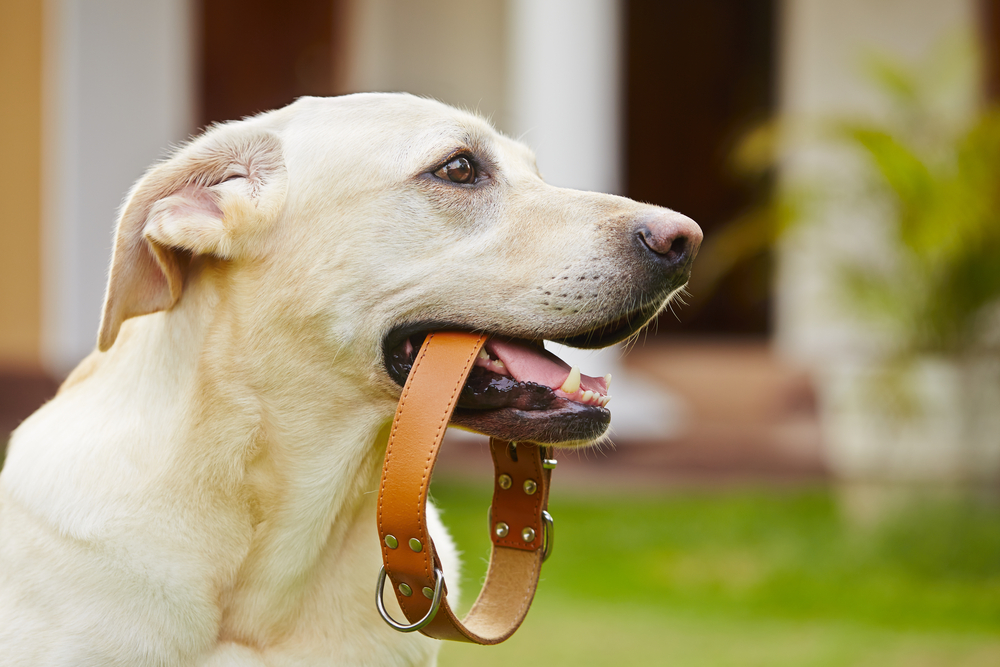
A secure dog collar is one that fits correctly, shows no signs of wear, and has hardware that functions reliably under everyday movement. It should be comfortable for your dog to wear continuously while still being snug enough that it cannot slip over the head.
This tiny routine helps avoid panic later.
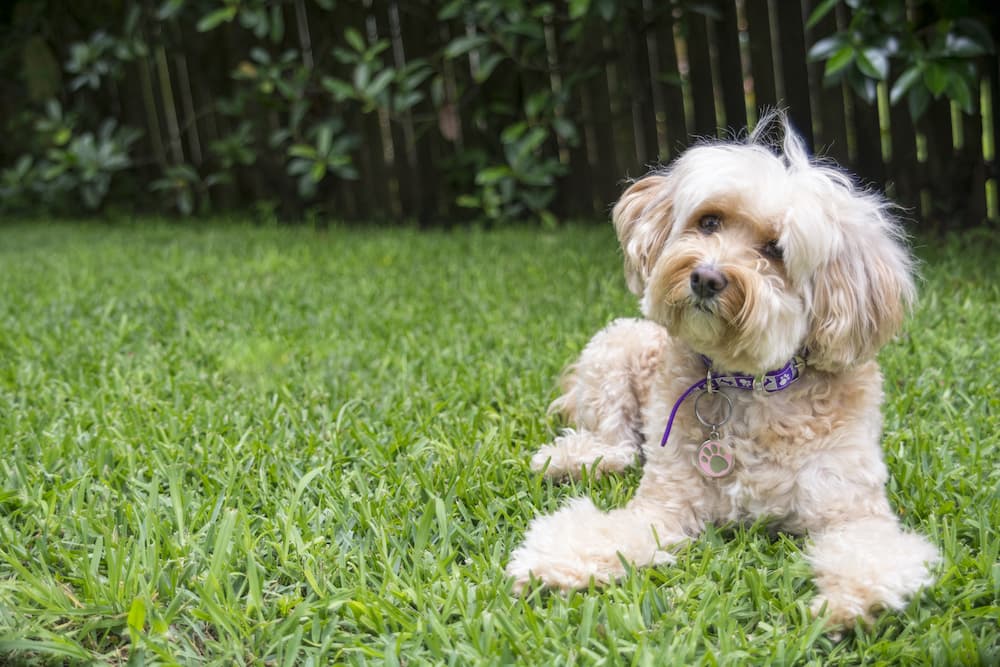 Checking your dog’s collar regularly helps prevent escapes, reduces injury risk, and ensures their identification tag remains effective if they are ever lost.
How should a dog collar fit?
A dog collar should fit snugly around the neck without being tight. Think of it as the Goldilocks theory – not too loose, not too tight, just right!
The correct fit is:
✅ Tight enough that it can’t slip over the dog’s head
✅ Loose enough to fit two fingers comfortably between collar and neck
✅ Evenly positioned without twisting or sliding to one side
Why this is so important:
❌ If the collar is too loose, it may slip off during walking, play, or if the dog pulls backward. And, ID tags could swing excessively and become damaged.
❌ If the collar is too tight, it can cause discomfort, irritation, or breathing restriction. If you notice marks or hair loss around the neck, it’s likely from their collar being too tight.
How do you check if a dog collar is worn or damaged?
A dog collar should be inspected regularly for signs of wear that could lead to failure. Make sure to check for:
- Fraying, thinning, or tearing of fabric or material
- Cracks, bending, or damage to plastic or metal components
- Loose stitching near the buckle or D-ring
- Stretching or misshaping of the collar
- Stiffness or loss of flexibility
If any of these signs are present, the collar should be replaced.
How do you test if a dog collar is secure?A secure collar should remain firmly fastened under normal movement and light pressure. To test security:
If the collar shifts, loosens, or feels inconsistent, it is not secure enough for safe use. Watch this helpful video from @lulu_andtuktuk 👇
|
+ Make sure to check your dog’s ID tag too
A dog’s ID tag is a critical part of pet safety and should always be readable and securely attached. It’s common for the engraving or print to fade away or become illegible from wear. Another thing to look for is that it’s still securely attached to the ring or collar. While you’re thinking about it, make sure you’re across these 3 ways to check your pet has proper ID >
Make it a habit to check regularly
A dog collar should be checked regularly, not only when damage is obvious. You could make yourself a routine of checking, for example, every time your dog goes to the groomer or every time they get their flea, tick and worm protection administered.
Other times it’s important to check your dog’s ID and collar are fitted correctly:
- After weight gain or loss
- Before travel, dog boarding, or daycare
- After replacing any leash or harness equipment
Why dog collar checks matter
Most pet collar failures don’t happen suddenly. They develop gradually through wear, loosening, or unnoticed damage. And all it takes is a guest coming to visit and your dog suddenly escapes the house and runs off. Noone every expects it to happen, but if it does, you have a much higher chance of having your dog return home safely!
