
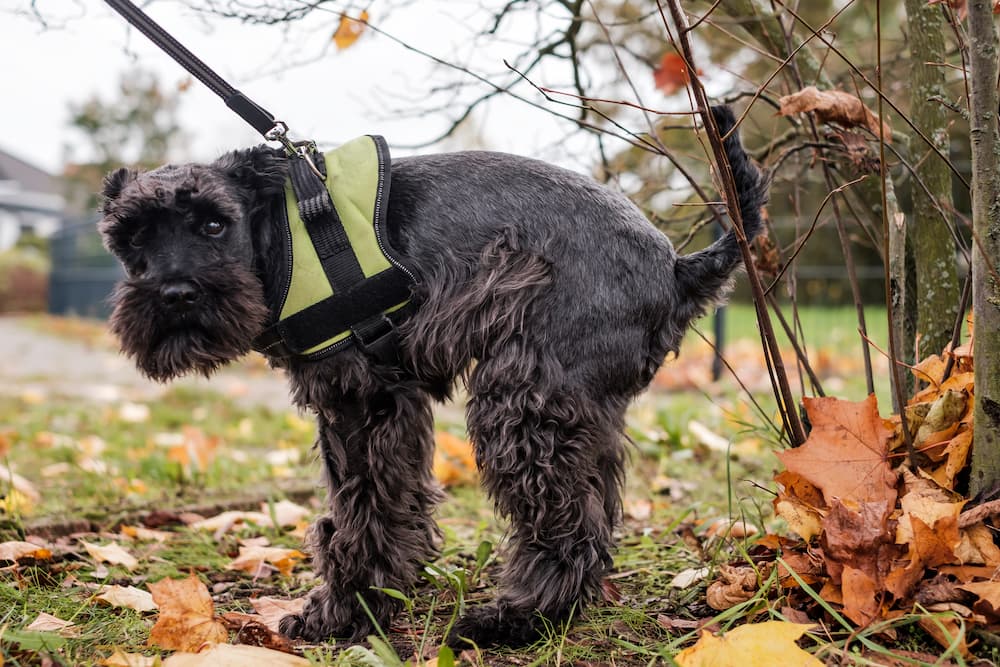
Dog poo pick-up is part of the daily routine for pet parents, but it’s the part that no one puts on Instagram.
Glamorous? Not even slightly. Important? Hugely. Your dog’s doo-doo is basically a daily health report… just delivered in a less-than-chic format.
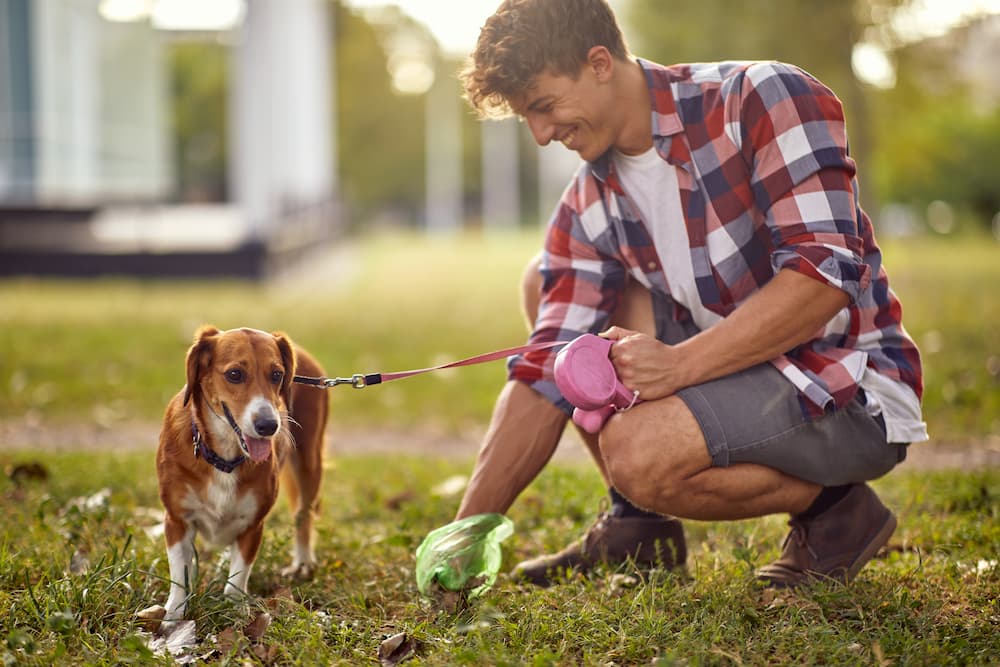
To coincide with international pooper scooper week (yes, it’s a real thing), here’s how to decode what’s normal, what’s not, and how to keep things moving smoothly in the gut department.
What healthy dog poo looks like:
Without literally showing you what perfect dog poo looks, think of it as the Goldilocks zone of excrement. Not too hard, not too soft, just right! Size should be proportionate to your dog – no surprise giants or mystery minis. And in terms of frequency, 1–2 times per day is very normal.
Need a cheat sheet when analysing each pile of poop?
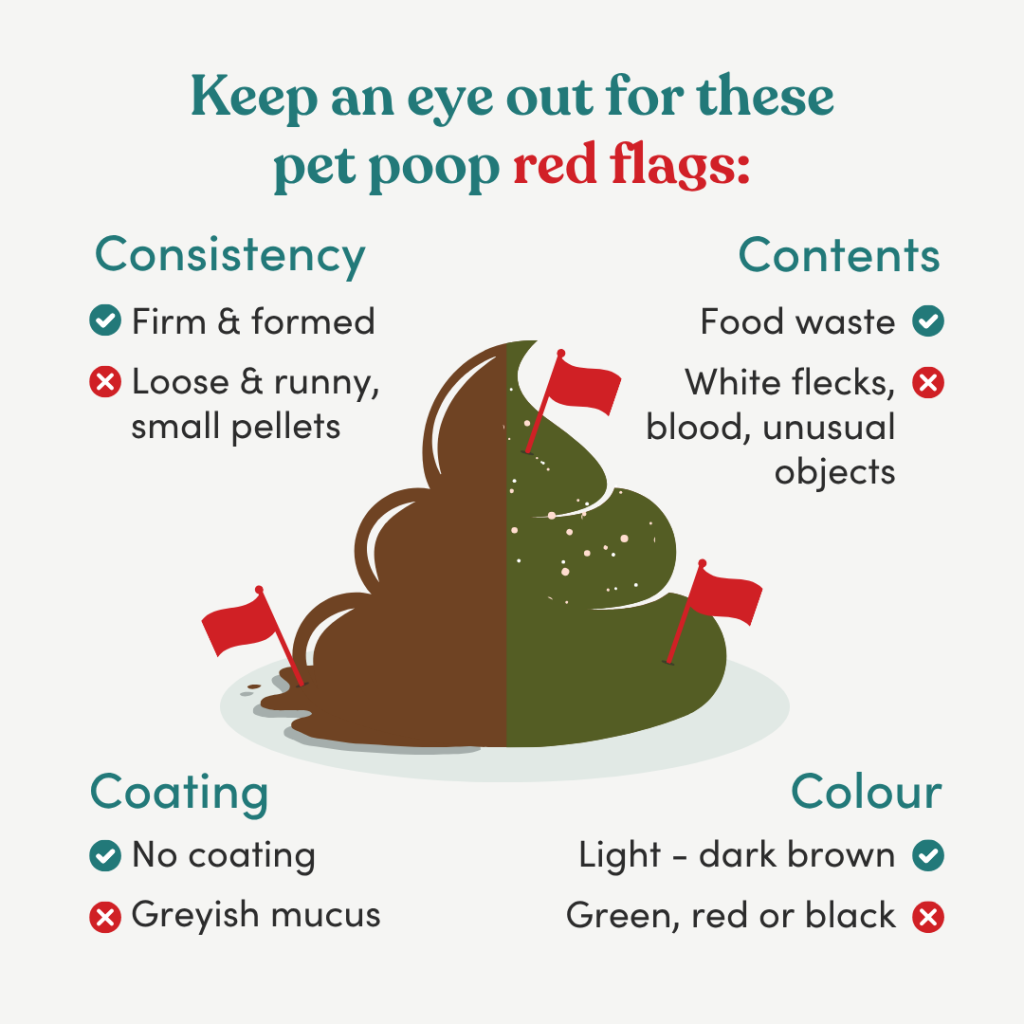
The 4 C’s of dog poo
1. Colour
Healthy dog poo should be that classic chocolate brown. Watch out for pale or white dog poo, which can indicate either high calcium intake (diets rich in raw bones can lead to pale or chalky stools). This is different from old poop which, if left outside, can dry up and turn white over time.
Too much calcium can make stools overly hard and uncomfortable to pass. If you’re feeding a raw or bone-heavy diet, it might be worth reviewing the balance.
2. Consistency
Gold standard = firm, log-shaped, and easy to pick up. If it’s too soft or watery, that’s a sign of diarrhoea, dietary issues, or stress. Too hard (dry pellets) means dehydration or constipation.
3. Content
What’s inside matters just as much. It’s somewhat common to see small bits of grass (which is your dog’s version of a salad). What’s not so normal: Undigested food, foreign objects, worms or rice-like segments.
4. Coating
Healthy poo should be… matte. No gloss, no slime. Watch for mucus or a shiny coating, which is often linked to gut irritation or inflammation.
If your pet’s poo ticks these boxes, congratulations. You’ve got a gold-star gut on your hands!
Red flags to watch for
Sometimes the poop plot thickens, and not in a good way. Keep an eye out for:
- Too soft / diarrhoea: Could signal dietary upset, parasites, or stress
- Hard, dry pellets: Often linked to dehydration or constipation
- Black or tarry stools: May indicate internal bleeding (vet visit ASAP)
- Red streaks: Fresh blood, often from irritation or inflammation
- Yellow/green tones: Possible digestion or bile issues
- Mucus coating: Gut inflammation’s calling card
- Unusual objects: It’s common for dogs to eat grass, but anything else? Worth investigating
A one-off odd poo isn’t panic stations. If it’s a pattern, that’s your cue to dig deeper (figuratively, we mean).
How to keep their gut in the green zone
1. Feed a balanced, high-quality diet
This is the foundation of everything. What goes in will always show up on the way out. Look for food that’s:
- Nutritionally complete and balanced
- Made with high-quality, digestible protein sources
- Appropriate for your dog’s age, size, and sensitivities
Lower-quality diets or overly fatty foods can lead to inconsistent stools, while highly digestible food helps produce those firm, easy-to-pick-up poos everyone quietly dreams of.
2. Transition food slowly
Your dog’s gut isn’t a fan of plot twists! Switching foods too quickly is one of the most common causes of diarrhoea. Instead, gradually mix the new food in over 7–10 days, and start with 25% new food, then slowly increase.
This gives your dog’s digestive system time to adjust without going into chaos mode.
3. Prioritise hydration
Hydration plays a huge role in stool consistency. Not enough water can lead to hard, dry stools that are difficult to pass. Make sure they always have fresh, clean water available to them (especially in warmer weather or after exercise).
If your dog isn’t a big drinker, adding a little water to their meals can help boost intake.
4. Support their gut with supplements
A healthy gut microbiome = better digestion, better poos.
Browse the range of digestive health supplements that contain probiotics (to support healthy gut bacteria), and prebiotics (that feed the good bacteria), and make sure they’re getting enough fibre to help regulate digestion (pumpkin is a quiet achiever here).
5. Stay on top of parasite prevention
Parasites are one of the quickest ways to throw your dog’s digestion off track. Regular flea, tick, and worming treatments help prevent diarrhoea, weight loss, and visible worms or segments in stool.
6. Keep stress in check
Dogs might not have deadlines or inboxes, but stress still affects them, and their gut feels it. Big changes like travel, new pets, or even seasonal events on the calendar (eg. Xmas, Easter) that are a little more chaotic at home can throw things off. Routine, enrichment, and calm environments help keep things… regular.
7. Keep them moving
Regular exercise helps keep the digestive system ticking along nicely. Daily walks don’t just burn energy, they stimulate bowel movements, help regulate digestion, and reduce stress (a double win for gut health).
When to call the vet
Trust your instincts (and your nose). Seek advice if you notice:
- Persistent diarrhoea or constipation (more than 48 hours)
- Blood in stool
- Sudden, dramatic changes in habits
- Vomiting alongside poop issues
- Lethargy or loss of appetite
The bottom line (pun fully intended)
Healthy poo might not be dinner table conversation, but it is one of the easiest ways to keep tabs on your pet’s wellbeing. A quick glance during clean-up can tell you more than you think.
So next time you’re on scoop duty, remember: you’re not just cleaning up… you’re conducting a daily health check. Not bad for a job that comes with a bag and a brave face.
