
*UPDATED NOVEMBER 2026*
The Border Collie is a medium-sized herding dog that needs at least 90 minutes to two hours of exercise and mental work every day. This breed suits active owners with a secure yard and time to train, and it struggles when left alone for long stretches. This guide covers the breed facts, what matters in an Australian summer, and how to leave one with a pet sitter. |
Are you looking for a super-energetic local Pet Sitter to keep your Collie active? Mad Paws has a range of trusted and insured Dog Minders near you!
| Quick Facts ✔Height – 46 – 53cm Weight – 12 – 20kg Lifespan – 10- 15 years Country of origin- England Breed type – Working dogs Best breed for:
|

History: Where do Border Collies come from?
Border Collies were developed as sheepdogs on the Anglo-Scottish border, and the modern breed traces back to a dog called Old Hemp, born in Northumberland in September 1893.
Old Hemp was bred by the farmer Adam Telfer from two working dogs, Roy and Meg. He is regarded as the foundation sire of the breed and is commonly credited with more than 200 offspring (Wikipedia, Dogs Queensland).
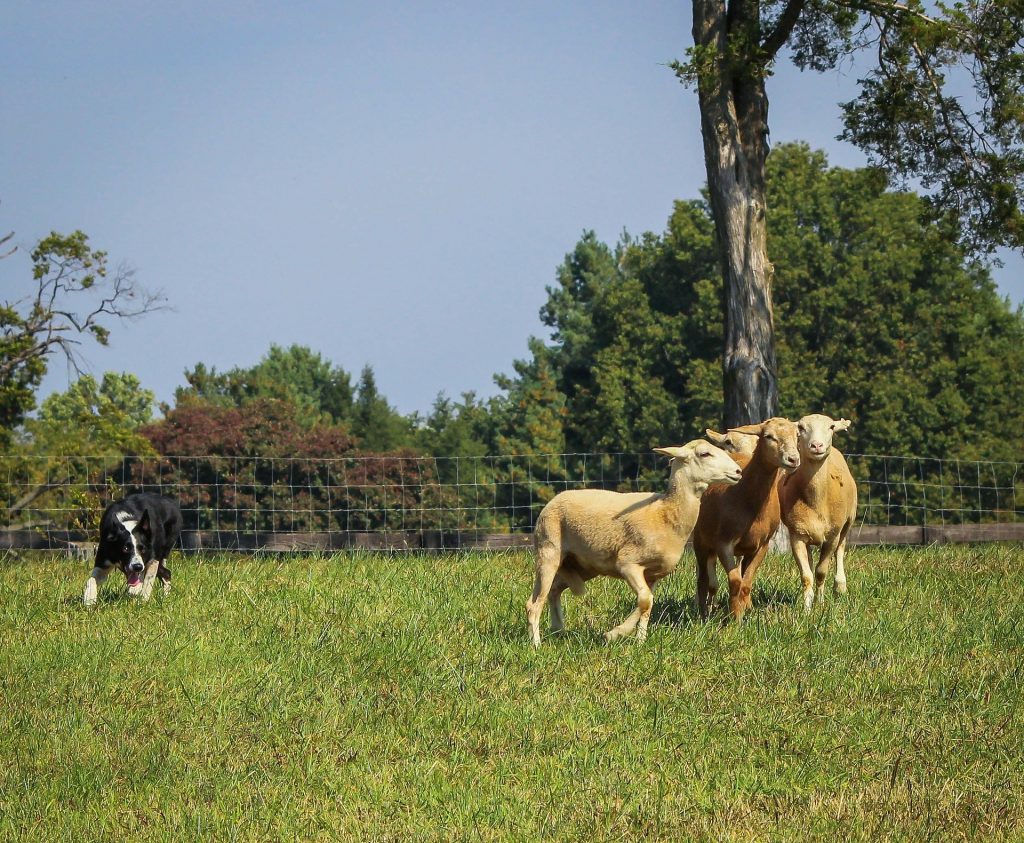
Breeders wanted a specific working temperament: alert, brave without being aggressive, able to make decisions alone, and capable of “the eye”, a fixed stare used to move stock. Coat colour and looks mattered far less than the ability to work.
The breed came to Australia to work sheep, and the Australian National Kennel Council lists Australia as its country of development.
The work still goes on. The Australian Border Collie National has run since 2006 and rotates between state clubs, starting in Sydney. South Australia is hosting the 2027 national. Working sheepdog trials run separately, including the National Sheepdog Trial Championships at Hall, ACT, each March.
What are Border Collies like to live with?
Border Collies are intelligent, focused and sensitive, and they need a daily job as much as they need a daily walk.
How much exercise does a Border Collie need?
Plan on at least 90 minutes to two hours a day, split across the day and including mental work as well as running. If you don’t allocate the time? A bored Border Collie finds its own jobs, which usually means chewing, digging and barking!
Are Border Collies good family dogs?
Border Collies can be good family dogs once they’re trained and well exercised. The herding instinct can show up as staring, barking or nipping at children, other pets and strange dogs, so supervise young children and put time into training.
Why do Border Collies watch everything?
They were bred to monitor stock and react to small changes. Expect a dog that tracks your movements, fixates on moving things and can be startled when touched or approached from behind while concentrating. Offer something more interesting than the distraction, and approach from the front.
Do Border Collies get separation anxiety?
Border Collie can become prone to separation anxiety. Boredom can be a trigger, and too little exercise make it more likely. Border Collies cope best with a routine and a well-exercised start to the day, which is why a structured handover to a Pet Sitter matters. Keep reading to learn more!
Are Border Collies easy to train?
Yes, they learn basics quickly, so the real task is keeping them occupied once they have.
Start with the fundamentals every dog needs: basic commands, walking on a lead, and getting along with other dogs. Socialise early, because a Border Collie that is not well socialised can become shy and wary of people and other dogs.
Then give them jobs. Instead of a simple sit before dinner, ask your dog to fetch its bowl and carry it to the feeding spot. Add a new trick each week, and build short routines into walks, grooming and bedtime.
Border Collies also take well to dog sports, including agility, flyball, frisbee and herding tests. If you leave your dog with a sitter, write down the commands and games you use so the training carries on.
 Can a Border Collie live in an apartment?
It’s possible, but it’s a poor match unless you can deliver two hours of exercise and mental work every day. This breed does best with a large, secure yard or a rural property.
How do Border Collies cope with Australian heat?
Any dog can suffer heatstroke in high temperatures, and it can become life-threatening within minutes. RSPCA NSW recommends a walk early in the morning or in the evening, and keep shade and cool water available at all times. On hot days, swap the run for indoor mental games.
Will a Border Collie herd other animals?
It might. On properties with livestock, poultry or other pets, a Border Collie may try to round them up, so supervise it and keep fencing secure. This applies to ducks and chickens as much as sheep.
How much grooming does a Border Collie need?
Brush a Border Collie at least once a week, and more often when it’s shedding. Their double coat sheds, particularly in warmer months, and regular brushing also prevents mats and knots in longer coats.
Dogs from show lines often carry fuller coats and may need brushing more than once a week. Read more about this in our article, ‘Do Border Collies shed?‘.
When it comes to bathing, don’t go overboard. Once a month or once every two months is plenty.
What health problems do Border Collies get?
According to the Hepper vet-reviewed guide by Sydney vet Dr Joe Mallat, conditions most often listed for Border Collies are:
- Hip dysplasia: the hip joint forms poorly, which can lead to arthritis and lameness. X-rays diagnose it.
- Epilepsy: a seizure disorder. If your dog has a seizure, keep the area calm and safe and call your vet.
- Collie Eye Anomaly: an inherited eye condition present from birth, detectable in puppies from about four weeks. A genetic test exists.
- Progressive retinal atrophy: a gradual loss of vision.
- Hypothyroidism: an underactive thyroid, diagnosed with a blood test and managed with lifelong medication.
- MDR1 mutation: affects how some dogs react to certain drugs, so ask your vet about testing.
Because many of these conditions are inherited, ask breeders for the parents’ health screening results (hips, eyes and genetic tests). Not every dog will develop them, of course. It’s best to speak to your vet about your own dog’s physical health.
Fun fact ♥How smart is a Border Collie? Meet ChaserChaser, a Border Collie owned by retired psychology professor John W. Pilley, learned the names of 1,022 toys and could fetch them on request. | |
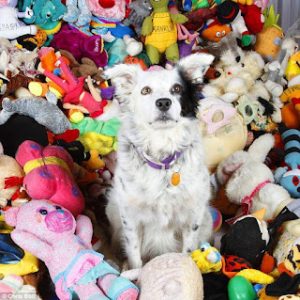 | Pilley and his Wofford College colleague Alliston Reid trained her for four to five hours a day over three years, then tested her by asking her to fetch named toys from groups of 20. As reported in The Week, in 838 tests she never scored below 90 per cent! The results were published in 2011 in the journal, Behavioural Processes, and a 2013 follow-up studied her understanding of sentences with a verb, object and prepositional object. Pilley died in 2018, and Chaser passed away at the end of July 2019 after 15 happy years of wowing the world with her unbelievable brain. |
Can you leave a Border Collie with a pet sitter?
Yes! A Border Collie can stay happily with a Pet Sitter, provided the Sitter can keep to the dog’s routine and give it real exercise and mental work.
This matters more for Border Collies than for most breeds. Boredom, too little exercise and long stretches alone raise the risk of destructive behaviour and separation anxiety.
Interestingly, Border Collies are the 3rd most common dog breed on Mad Paws, behind Cavoodles and Labradors.
Looking for a Pet Sitter for your Border Collie? What to look for:
✔️ Experience with high-energy or herding breeds
✔️ A secure yard, or a plan for safe off-lead exercise
✔️ Willingness to follow a set routine and carry on your dog’s training
✔️ A Meet & Greet before the booking, so your dog and the Sitter can get to know each other
Handover notes for a Border Collie Sitter:
A Pet Sitter who has the detail can keep your dog’s day close to normal:
- Exercise plan: how long, how often, which routes, and whether your dog can go off lead
- Enrichment: favourite toys, puzzle feeders and games, plus the tricks and commands your dog knows
- Triggers: other dogs, bikes, joggers, children, livestock, and anything your dog fixates on or herds
- Feeding: food, amounts, times, treats, and anything your dog must not eat
- Health: vet’s details, medications, known conditions, and microchip and registration details
- Heat plan: shade, cool water, no exercise in the middle of the day, and indoor activities for hot days
- Home and security: gate latches, fence weak spots, any escape habits, and where your dog sleeps or crates
- Stress signs: how your dog shows boredom or anxiety (pacing, barking, chewing) and what settles them
Mad Paws has over 40,000 pet carers Australia-wide. Find a Border Collie-friendly sitter near you >