
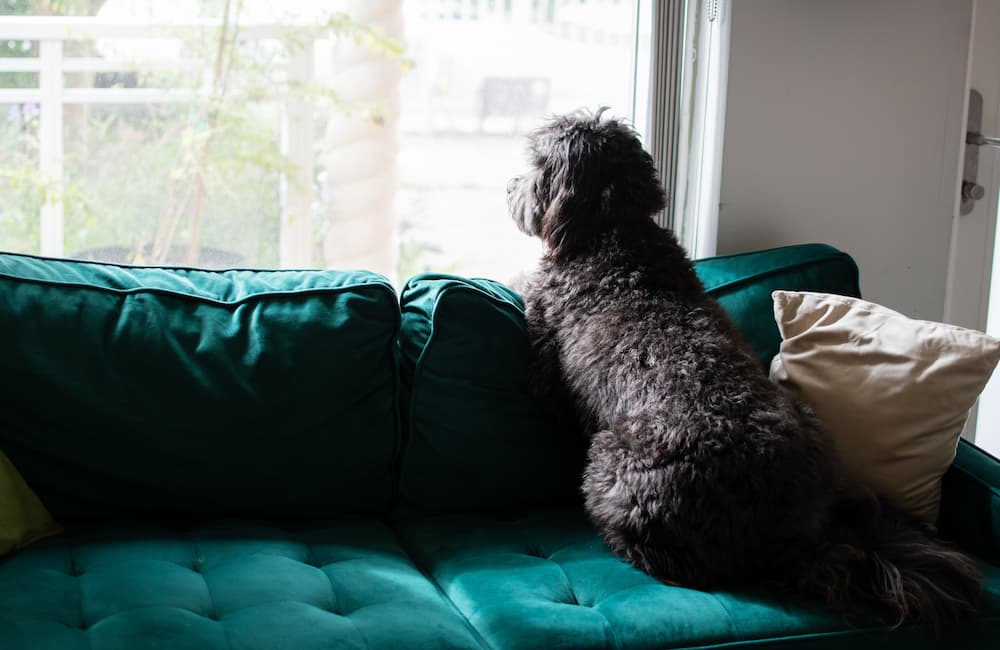
When most people picture an anxious pet, they imagine the obvious signs: A dog shaking during a storm, or a cat hiding from the loud bangs of fireworks.
One of the biggest misconceptions about pet anxiety is that it always comes from fear.
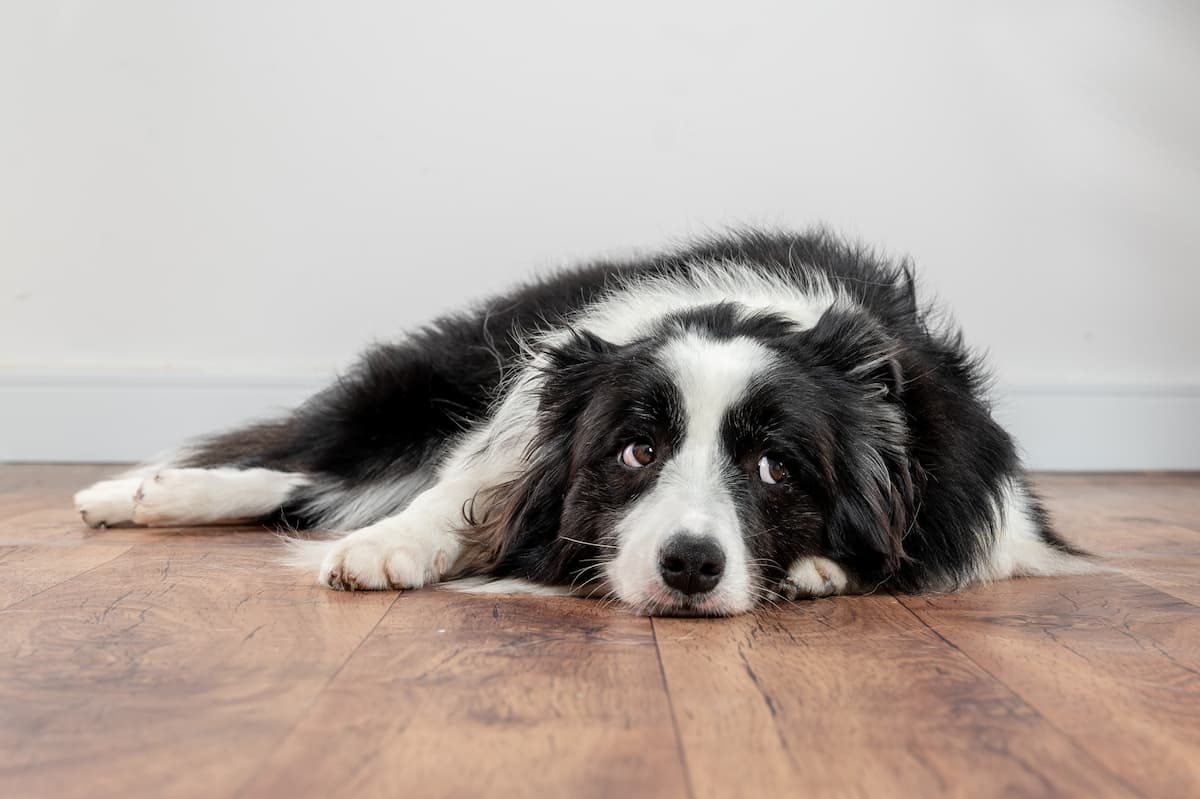 In reality, pets can become anxious for lots of different reasons, including boredom, overstimulation, lack of confidence, sudden life changes, and unmet mental needs.
That’s why anxious pets can behave completely differently. For example:
A bored Border Collie may destroy your backyard.
An overwhelmed rescue cat may disappear for hours.
It’s the same underlying emotion, but different presentation.
Here’s what can actually cause anxiety in dogs and cats, and why understanding the ‘why’ matters just as much as recognising the signs.
In some other articles, we cover some of the more common triggers of stress and anxiety in cats, as well as stress signs and causes in dogs, but let’s focus on a lesser known cause and how they manifest into physical responses.
Some pets become anxious because they’re understimulated
Not all anxious pets are scared. Some are simply under-challenged. Essentially, bored.
Highly intelligent or active pets often need more than just physical exercise. They also need:
- mental enrichment
- structure
- problem-solving
- opportunities to “work”
Without those outlets, that unused energy can start leaking into stress-related behaviours.
Which pets are more likely to get bored?Any pet can become under-stimulated, but some breeds are naturally more prone to boredom-related stress because of what they were originally bred to do. Breeds that are instinctually designed to herd, hunt, guard or problem solve are likely to experience boredom faster than others. And it may have something to do with the modern pet lifestyle, because nowadays our pets are expected to spend long periods indoors, alone, and without a ‘job’ to do. For some pets, that’s a difficult adjustment. |
Dog breeds that need the most mental stimulation:
 Border Collies
Border Collies are famously intelligent and task-driven. Without enough mental engagement, they can develop:
- obsessive behaviours
- pacing and barking
- shadow chasing & destructive habits
Sometimes these behaviours are dismissed as personality quirks, but what they can be are signs of pet anxiety.
 Kelpies & Australian Shepherds
These working breeds are built for movement, problem-solving, and endurance. A simple walk may not be enough on its own.
Many thrive when given training exercises or agility activities. Even scent games (try sniffing out treats in the backyard, perhaps), or puzzle feeders.
Without those outlets, frustration can build quickly.
 German Shepherds
German Shepherds are intelligent, loyal, and highly alert dogs. Because they’re so switched-on, they can become restless without enough structure, engagement and training.
Under-stimulated German Shepherds may become vocal, destructive, hyper-vigilant, or overly reactive.
Companion breeds can experience boredom too…
 It’s not only high-energy working dogs that struggle. Companion breeds, such as Cavoodles or Cavalier King Charles Spaniels, can also become under-stimulated, especially if they rely heavily on human interaction throughout the day.
For these dogs, boredom and loneliness often overlap.
 Can indoor cats develop pet anxiety from boredom?
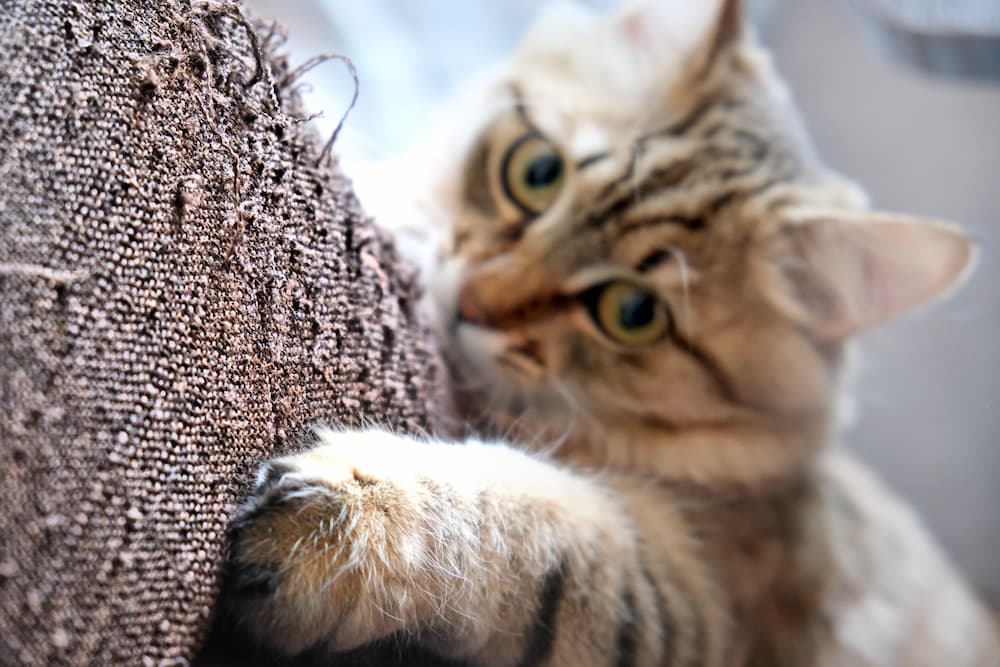
Absolutely… Indoor cats may look relaxed, but many still have strong instincts to hunt, climb, stalk, explore and observe territory. So without enough stimulation, some cats develop stress-related behaviours such as:
- overgrooming
- zoomies
- vocalising
- scratching furniture
- nighttime activity
- irritability
Although not so common, it can be mentally and physically enriching to take them on an on-leash walk. Before you go though, make sure you know how to put a cat in a harness >
 How to reduce boredom-related pet anxiety
The goal isn’t simply to tire your pet out physically. Mental enrichment matters just as much.
Ways to increase your pet’s mental stimulation:
- puzzle toys
- sniffari walks
- training sessions
- food-dispensing toys
- rotation of toys
- scent games
- climbing spaces for cats
- lick mats and snuffle mats
- short learning exercises throughout the day
Enrichment helps anxious pets because it gives them:
✔️ predictability
✔️ confidence
✔️ opportunities to decompress
✔️ species-appropriate stimulation
For many pets, enrichment helps reduce stress before it has a chance to boil over into destructive or anxious behaviour.
Keen to keep learning about anxious behaviour in dogs & cats? Check out, How to differentiate between playful behaviour and pet anxiety >