

*UPDATED JUNE 2026*
The short answer: Pet Sitters offer personalised, one-on-one care in a quiet home environment. This setting is ideal for anxious, routine-dependent, elderly, or medically complex pets. Boarding kennels provide structured, professional care with trained staff and socialisation opportunities. This is a great fit for social, adaptable dogs who enjoy the company of other animals. The right choice depends almost entirely on your individual pet’s personality and needs. Read on for a full breakdown of both options, including costs, and a quick guide to help you decide which option is better suited to your furry bestie! |

At a glance: Pet Sitter vs Dog boarding kennel
| Pet sitter | Boarding kennel | |
|---|---|---|
| Best for | Anxious, elderly, routine-loving, or medically complex pets | Social, healthy, adaptable dogs |
| Environment | Familiar home (yours or the sitter’s) | Purpose-built facility with other animals |
| Attention | One-on-one, personalised care | Shared across multiple animals |
| Daily routine | Closely mirrors your pet’s usual schedule | Facility-run schedule |
| Animal contact | Minimal to none | Regular contact with other dogs |
| Cost | $45–$100 p/night (depending on service type) | $40–$80 p/night depending on facility |
| Vaccination required? | Varies by sitter | Almost always required |
| Suitable for cats? | Yes – can keep family pets together | No – cat boarding facility required |
What is pet sitting?
“Pet sitting” is a broad term covering several distinct types of care:
In-home pet sitting (caring for pet/s in their own home): At Mad Paws, a pet sitting booking means your pet stays in their own familiar environment. Your pet’s routine, bed, toys, and smells stay exactly as they are. This is the closest thing to you being there yourself.
In-home pet hosting (pet is cared for at the Sitter’s home): Your pet stays at the sitter’s house rather than a kennel facility. Typically quieter and more personalised than a kennel, with fewer animals in the house (if any).
Drop-in house visits: A sitter visits your home one to several times a day to feed, walk, and spend time with your pet. A good option for independent cats, or for pet parents who only need daytime cover.
Doggy day care: Your pet spends the day at a Sitter’s home, receiving company and stimulation, before returning home. This option is ideal for pet parents who work long hours.
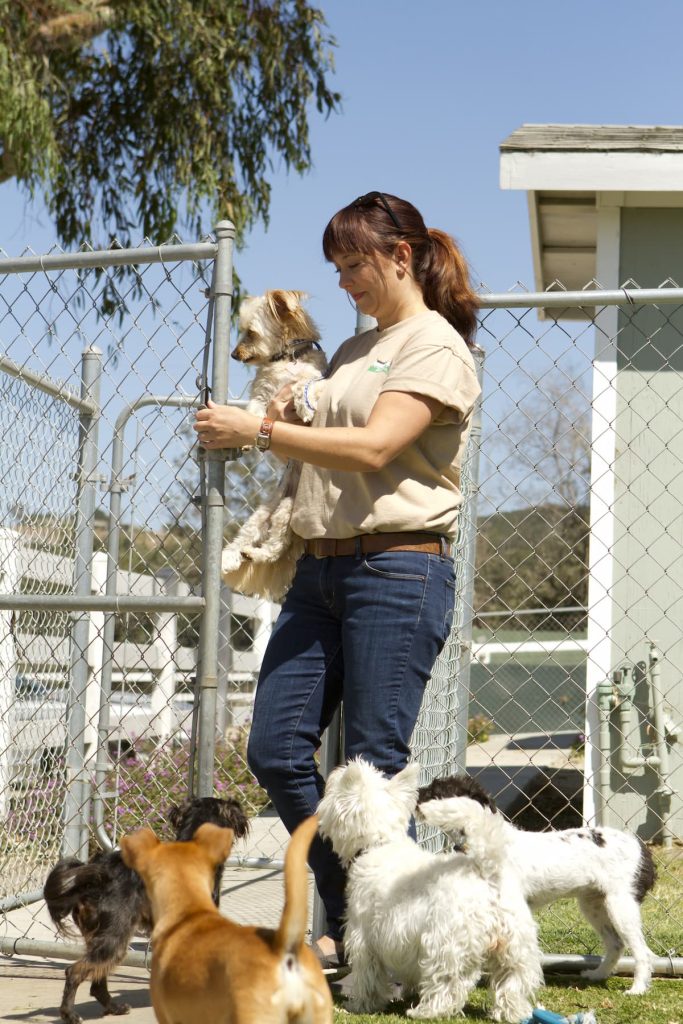
A boarding kennel is a purpose-built facility designed to house multiple dogs (and sometimes cats) while their owners are away. Dogs typically have their own sleeping space — a kennel run or private suite — with access to outdoor areas and scheduled exercise sessions throughout the day.
What is dog boarding at a kennel?
As the Australian pet population grows, boarding kennel facilities are evolving and now come in different shapes and sizes.
Larger operations may accommodate dozens of animals at once, with more structured (and sometimes more stimulating) group environments. Smaller boutique facilities offer a more luxurious experience with fewer dogs, and can offer add-on services like individual play sessions, grooming, training, and webcam access so you can check in remotely.
What reputable boarding kennels do, however, tends to remain the same. They’re staffed around the clock, require up-to-date vaccinations, and can offer services to special needs pets (like administering medication, for example).
Not sure whether a Pet Sitter or a boarding kennel is best for your dog? Key differences explained:
1. Familiar environment vs new surroundings
Pets are creatures of habit. A change in environment (new smells, sounds, other animals, unfamiliar people) can be exciting for some and stressful for others.
- Pet Sitters keep disruption to a minimum. In-home sitting means your pet never leaves their territory. Even hosted boarding typically involves a quieter, more flexible home environment than a kennel.
- Kennels involve a completely different environment. Many dogs adapt well and some genuinely enjoy the novelty. Others – particularly those who are anxious, older, or have only ever lived in a quiet home – can find the transition harder.
Ask yourself: How does my pet typically respond to new environments? Do they settle quickly at the vet, in the car, or at other people’s homes, or do they need days to adjust?
2. Daily routine and consistency
Routine matters to most pets, and especially to those with medical needs, strict feeding requirements, or strong behavioural habits.
- Pet Sitters can mirror your pet’s exact schedule – same meal times, same walk times, same sleeping spots. This is particularly valuable for pets on medication, those with digestive sensitivities, or older animals who find change unsettling.
- Kennels run on facility schedules, which may differ from what your pet is used to. Many dogs adjust easily. If your pet’s routine is highly specific or medically necessary, it’s worth discussing with any kennel before booking to confirm they can accommodate it.
3. Individual attention vs group care
- Pet Sitters work with one household at a time. For pets who crave human company, reassurance, or physical affection, this can make a meaningful difference — particularly over longer stays.
- Kennels divide staff attention across multiple animals. That said, many kennels offer add-on sessions for individual play, cuddles, or training. It’s worth asking about this extra attention if your dog is particularly social with humans rather than just other dogs.
4. Socialisation and contact with other animals
In environments where many pets are cared for at once, there’s naturally more shared space, shared surfaces, and shared social contact.
- Pet Sitters typically mean little to no contact with other animals. This is a benefit for pets who are reactive, fearful, have had difficult experiences with other animals, or simply prefer a calm, quiet environment.
- Kennels can be a genuinely enriching experience for dogs who enjoy the company of their own kind. If your dog loves dog parks, gets along well with other dogs, and finds new environments more stimulating than stressful, the social element of a kennel may actually be a positive.
Age and training also matter. Older dogs sometimes find the energy of a busy kennel overwhelming. Further to that, dogs who are still working through behavioural challenges may not benefit from an unstructured group environment.
5. Health considerations
In any setting where animals share space, there’s some level of exposure.
- Pet Sitters offer minimal contact with other animals by default, which reduces exposure risk for pets who are immunocompromised, elderly, or recovering from illness or surgery.
- Reputable boarding kennels manage health risks carefully by requiring up-to-date vaccinations for kennel cough, parvovirus, distemper, and hepatitis.
If your pet is unvaccinated, very young, very old, or has a health condition, discuss the situation openly with any carer you choose (Pet Sitter or Boarding Kennel) before booking.
This also includes parasite protection. Ticks and fleas are highly contagious, and spread to other dogs through close contact. Same goes for ringworm – being highly contagious, it can spread through direct contact with an infected dog or even via shared (contaminated) surfaces.
How much does pet boarding cost in Australia?
Costs vary by location, service type, pet size, and the individual carer or facility. Use the below information as a guide, or search Pet Sitters in your area to gauge more accurate rates.
| Service | Typical cost |
|---|---|
| Traditional boarding kennel (per night) | $40–$80 |
| Luxury / boutique kennel (per night) | $80–$120+ |
| Pet hosting at Sitter’s home (per night) | $45–$80 |
| In-home house sitting (per night) | $60–$100 |
| Doggy day care (per day) | $35–$60 |
| Drop-in visit (30–60 min) | $25–$45 |
Which option is right for your pet?Choose a Pet Sitter if your dog:
Choose a boarding kennel if your dog:
|
Questions to ask before you book any service
Whether you’re considering a pet sitter or a kennel, these questions are worth asking upfront:
- What’s your experience with my pet’s breed and any specific needs they have?
- What does a typical day look like for my pet?
- How do you handle a health emergency?
- How will you communicate with me while I’m away?
For boarding kennels:
- What vaccinations do you require?
- How many dogs are in the facility at once?
- Is overnight supervision provided?
- Can I arrange a tour before booking?
For Pet Sitters:
- Are you comfortable with my pet’s specific routine, medication, or dietary needs?
- Can we arrange a Meet and Greet first?
- Will my pet be the only animal in your care during my booking?

Frequently asked questions
| Is a Pet Sitter better than a boarding kennel? |
| Neither is universally better. It depends on your pet, so a decision should be made around their needs. Pet Sitters are generally a better fit for anxious, senior, or routine-dependent pets. Kennels work well for social, adaptable dogs in good health. The best option is the one that suits your pet’s individual temperament. |
| How much does a Pet Sitter cost in Australia? |
| In-home house sitting typically costs $60–$100+ per night, while pet hosting (staying at the Sitter’s home) ranges from $45–$80 per night. Drop-in visits are generally $25–$45. It’s important to note that prices vary by location, Sitter experience, and the needs of your pet. |
| How much does dog boarding cost in Australia? |
| Standard kennel boarding typically runs $40–$80 per night, with boutique or luxury facilities charging $80–$120 or more. Add-on services like individual play time or grooming are usually available at extra cost. |
| What are the risks of a boarding kennel? |
| Common concerns include stress or anxiety in pets who aren’t used to group environments, increased exposure to infectious illness (eg. kennel cough), and disruption to established routines. Reputable kennels manage these risks through vaccination requirements, health checks, proper cleaning, and attentive care. Asking for a facility tour before booking is always a good idea! |
| What if my pet has never been away from home before? |
| For a first experience away from home, a Pet Sitter is often the gentler introduction. If you want to try kennel boarding, look for a smaller, boutique-style facility rather than a large kennel, and arrange a short trial stay (one night) before a longer trip. Regardless, a meet & greet beforehand always helps to dispel nerves (for you and your pet!). |

1 comment
Are you in Melbourne. I have a Grooming Parlour and we have a number of clients who would like to have their pets looked after in their own home. Do you have any pamphlets that you could send so that we can give them to our customers.