
A common theme of the modern day Australian – Long work days, busy weekends, practically no down-time (especially for those with kids in the mix).
For those with pets, it begs the question: How many hours should pets be alone before the couch or pot plants pay the price?
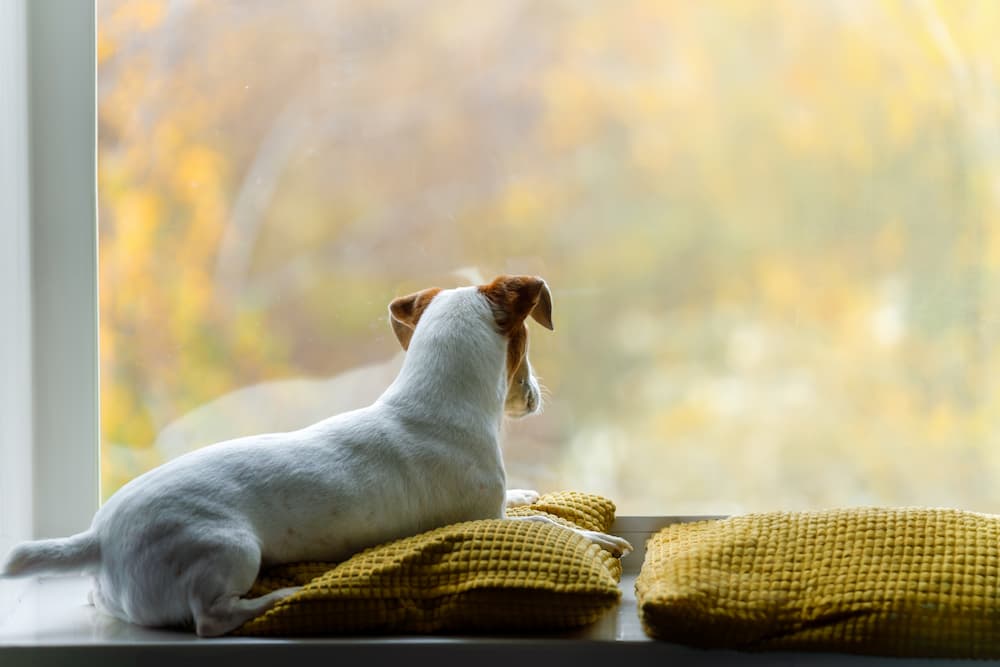
The answer depends on species, age, health, and personality. Below, we break it down so you can make the right call for your furry (or feathered) family member.
| Pet | Recommended maximum time to leave them alone | |
|---|---|---|
| Adult dog | 4–6 hours | Up to 8 hours occasionally, with a midday check-in |
| Puppy (under 6 months) | 1 hour per month of age | e.g., 3-month-old = max 3 hours |
| Senior dog | 2–4 hours | More frequent toilet needs and health monitoring |
| Adult cat | 8–12 hours | No more than 24 hours without a visit |
| Kitten | 2–4 hours | Needs frequent feeding and supervision |
| Rabbit | 8–12 hours | Pairs handle alone time better than solo rabbits |
| Pet bird | 8 hours | Parrot and cockatoo species need daily interaction |
We absolutely understand that a standard work day is eight hours, so we’re not expecting you to quit your job and be a stay-at-home pet parent! There are ways to help support them, though.
Let’s drill down further on each pet type, to provide more information and context.
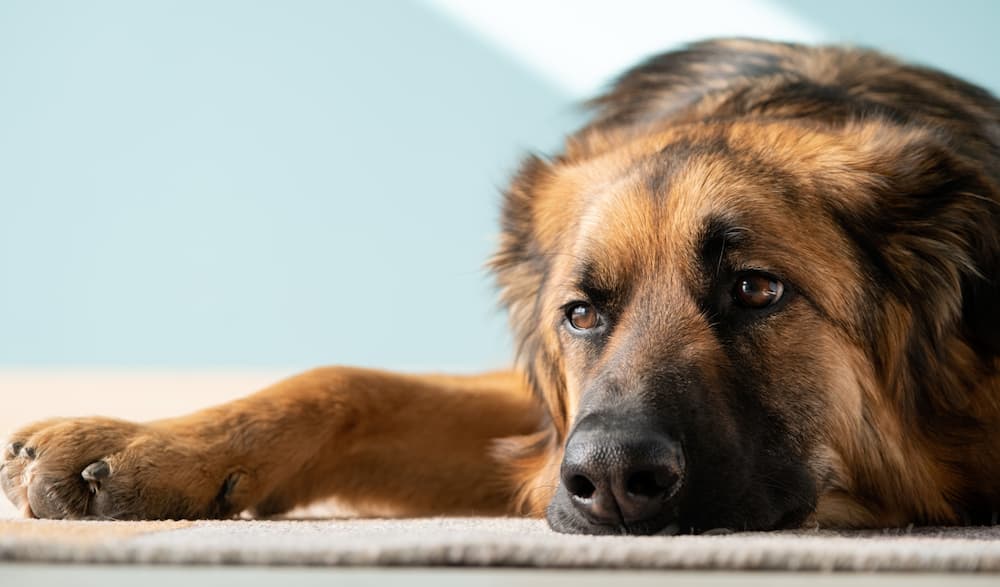 How long can you leave a dog home alone?
Dogs are social animals which means prolonged alone time can genuinely stress them out.
Most healthy adult dogs can usually handle being alone for 4-6 hours comfortably. Some well-adjusted adult dogs can manage up to 8 hours on occasion, but this shouldn’t be a daily habit.
Breed and energy levels play a part, too. If you’re a parent to a high-energy dog, leaving them alone all day everyday may just turn them into a tiny interior designer with a taste for couch foam!
The RSPCA recommends dog owners avoid leaving their dogs alone for more than 4 hours as a regular routine.
If a full workday is unavoidable, a midday visit from a Dog Walker or Pet Sitter can make a significant difference to your dog’s wellbeing. It helps to break up the day and provide an opportunity for exercise and company.
What about puppies?
Young puppies need much more frequent attention.
A helpful rule of thumb: Puppies can typically hold their bladder for roughly one hour for every month of age. So a 3-month-old puppy shouldn’t be left alone for more than around 3 hours. Puppies under 6 months should not be left alone for more than 2–3 hours at most.
Don’t get us wrong though, it’s not just for toilet training! Coming back home to your puppy within the recommended time frame will help prevent early-onset separation anxiety in your dog.
What about senior dogs?
Older dogs often need more frequent bathroom breaks and may have underlying health conditions that require monitoring. Senior dogs generally shouldn’t be left alone for more than 2–4 hours without someone checking in. A midday house visit is a practical solution for parents of senior pets.
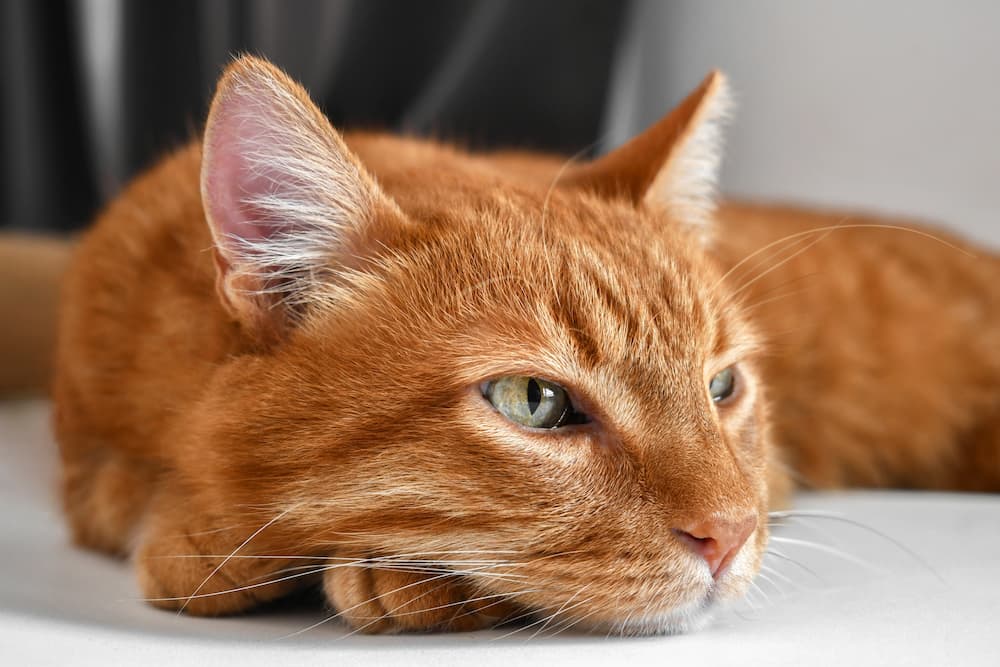 How long can you leave a cat home alone?
Cats have a reputation for independence, but that doesn’t mean they’re fine being left completely to their own devices for days at a time.
Adult cats are generally more independent so they can tolerate alone time for 8-12 hours comfortably. This is provided they have access to fresh food, water, a clean litter tray, and enrichment (scratching posts, toys, a window perch).
Very (very) occasionally, cat can be left alone for up to 24 hours, but never more than that. Even with new technology like with automated feeders, cats shouldn’t be left for long periods of time – water can run out or get tipped over, litter trays fill up, and cats can become unwell without warning.
What about kittens?
Young kittens require much closer supervision. Kittens under 4 months shouldn’t be left for more than 2–4 hours. Why? They need frequent feeding, socialisation, and monitoring.
If you’ve recently adopted a kitten and work outside of home (at an office or job site), we’d recommend booking Pet Daycare or a House Visit each day until they’re a little older.
What about senior cats?
Older cats, especially those with health conditions (like diabetes, kidney disease, hyperthyroidism), may need medication during the day or more frequent check-ins. For these cats, daily house visits or who can provide care is the safest option.
If you’re out of the house, occasionally, for longer periods, calming music for pets can be one helpful way to reduce anxiety. But this shouldn’t be the answer when leaving your pet home alone for too long.
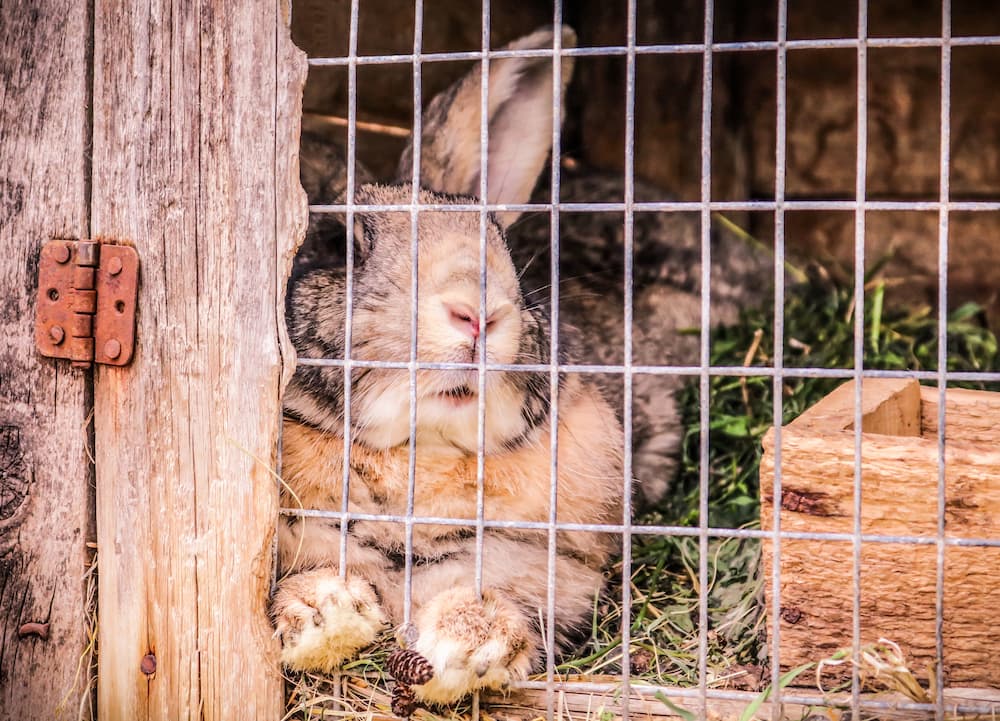 How long can you leave a rabbit home alone?
While many people think rabbits are low maintenance or effort, they’re actually highly social and highly active animals that need regular care and company.
A healthy adult rabbit can be left alone for up to 8–12 hours, but anything beyond 24 hours without a check-in is too long.
If you’re away for long periods (more than 4 hours every day), you’d need to provide your rabbit with enrichment activities and toys to keep them occupied. Pairs of rabbits cope much better with alone time than solo rabbits, otherwise they can suffer chronic loneliness and boredom.
The RSPCA Australia notes that rabbits need daily checks, as they can go downhill quickly if they suffer from overheating (common with rabbits) or if they stop eating – a concern specific to this species called GI stasis, where the digestive system slows or stops.
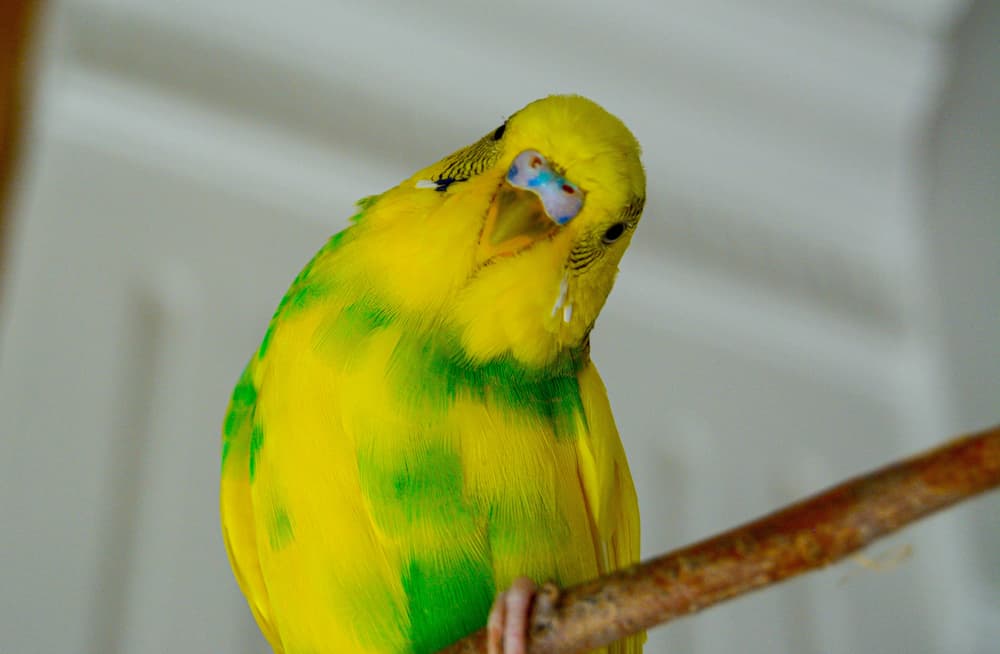
How long can you leave a bird home alone?
Most common pet birds (parrots, cockatiels, budgies, and cockatoos) are highly social flock animals. According to the Animal Welfare Victoria guidelines, “birds deprived of company and exercise can become depressed or develop behavioural problems including feather plucking, screeching, and aggression.”
Social bird species should not be left alone for extended periods on a regular basis. For a working day (around 8 hours), most birds will manage if they have adequate enrichment, foraging opportunities, and the company of another bird.
If you travel frequently or work long hours, a pet bird may not be well-suited to your lifestyle without additional care support.
What does Australian law say about how long you can leave a pet home alone for?There’s currently no specific law in Australia that sets a maximum number of hours a pet can be left alone (although ACT are pushing for it). Instead, state and territory animal welfare legislation uses a “reasonable standard of care” framework. Essentially, pet owners have a legal duty of care to ensure their animals’ physical and psychological needs are met. In practical terms: if leaving your pet alone causes them distress, injury, or illness, it could constitute a welfare offence, regardless of how many hours were involved. |
What is the best solution for a pet owner who works full-time?
A combination approach tends to work best:
- enrichment and stimulation set up before you leave,
- a midday dog walker or house visit,
- and quality time with your pet when you return.
If you notice signs of anxiety or boredom in your pet, it’s worth speaking to your vet, and considering more regular pet care support in the meantime.
Our Mad Paws community of Pet Sitters can break up their day and take them for a walk… or drop in at lunchtime and give them some attention… or drop them off for a day of fun at pet daycare 🐾