
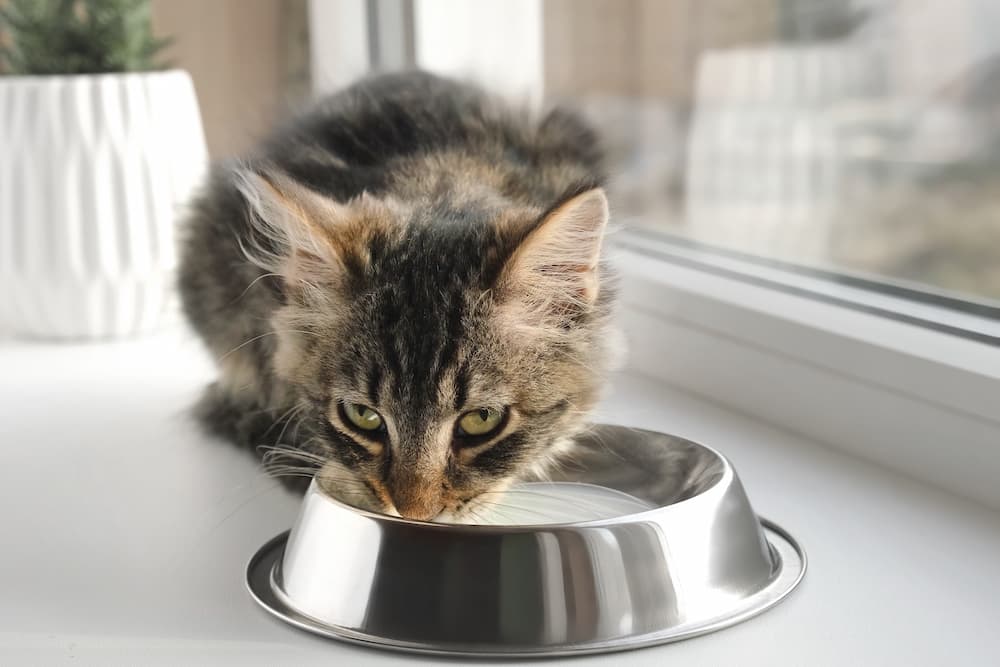
In short:If you’ve ever pictured a cat happily lapping up a saucer of milk, you’re in good company. But here’s the surprising truth: most adult cats shouldn’t drink cow’s milk. While a small sip isn’t usually dangerous, many cats are lactose intolerant! So milk can leave them with an upset stomach rather than a satisfied one. |
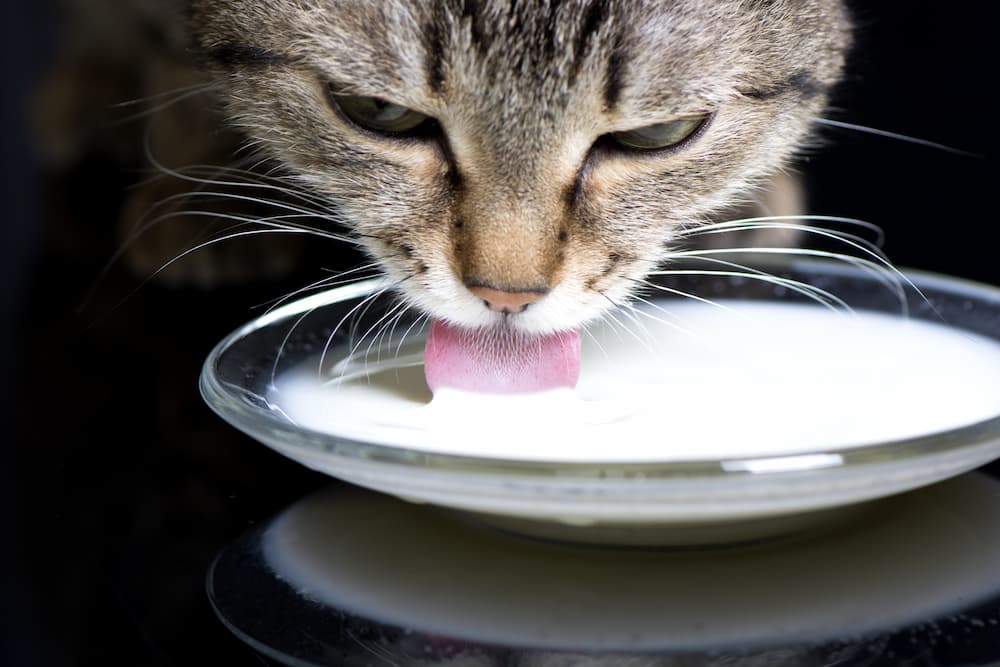 The truth about cats and cow’s milk
Contrary to popular belief, cow’s milk isn’t recommended for most adult cats. Why? Because many lose the ability to properly digest lactose after they’re weaned, which can lead to digestive issues such as diarrhoea, vomiting and stomach discomfort.
Like all mammals, kittens are born able to digest their mother’s milk. They produce an enzyme called lactase, which breaks down lactose (the natural sugar found in milk).
As kittens grow and begin eating solid food, they produce less lactase because they no longer rely on milk for nutrition.
Without enough lactase, lactose passes into the intestines undigested, where it ferments and draws in water. That’s what causes the uncomfortable symptoms many cats experience after drinking milk.
The solution? Fresh water should always be your cat’s main source of hydration.
What happens if a cat drinks regular milk?
Not every cat reacts the same way. Some may have a few laps and seem perfectly fine, while others can develop digestive upset within a few hours. Common signs include: diarrhoea, vomiting, gas, bloating, stomach discomfort.
If your cat develops severe symptoms or seems unusually lethargic after consuming milk, contact your local Vet.
Can kittens drink cow’s milk?
No. Young kittens should drink their mother’s milk whenever possible. If a kitten has been orphaned or can’t nurse, they should be fed a kitten milk replacer specifically formulated to meet their nutritional needs.
Cow’s milk doesn’t contain the right balance of nutrients for growing kittens and may also cause digestive problems.
What about lactose-free milk?
Lactose-free milk made for humans is less likely to cause digestive upset because the lactose has already been broken down.
However, it’s still not necessary for your cat’s diet and may contain more fat or calories than they need.
If you’d like to offer milk as an occasional treat, choose a cat-specific lactose-free milk, which is specially formulated for cats. Aussie supermarket chains like Coles tend to stock this.
Even then, it should only be given in small amounts and not replace fresh water.
What should cats drink instead?
The healthiest drink for cats is simple: fresh, clean water.
Some cats naturally drink less than others, so you can also help keep them hydrated by:
- Feeding wet food alongside dry food
- Providing multiple water bowls around the house
- Using a cat water fountain if your cat prefers running water
- Refreshing water daily
Can a little bit of milk hurt a cat?
Probably not. A tiny lick or sip of cow’s milk is unlikely to cause serious harm in most healthy cats. However, because many cats are lactose intolerant, even a small amount may still cause an upset stomach.
If your cat accidentally drinks a little milk and seems perfectly normal, there’s usually no need to panic. Simply monitor them for signs of digestive upset.
Why do cats like milk if it’s bad for them?
Cats are often attracted to the fat and protein in milk rather than the lactose itself. They don’t know it may upset their stomach, so they’ll happily accept it if it’s offered!