
In short:
|
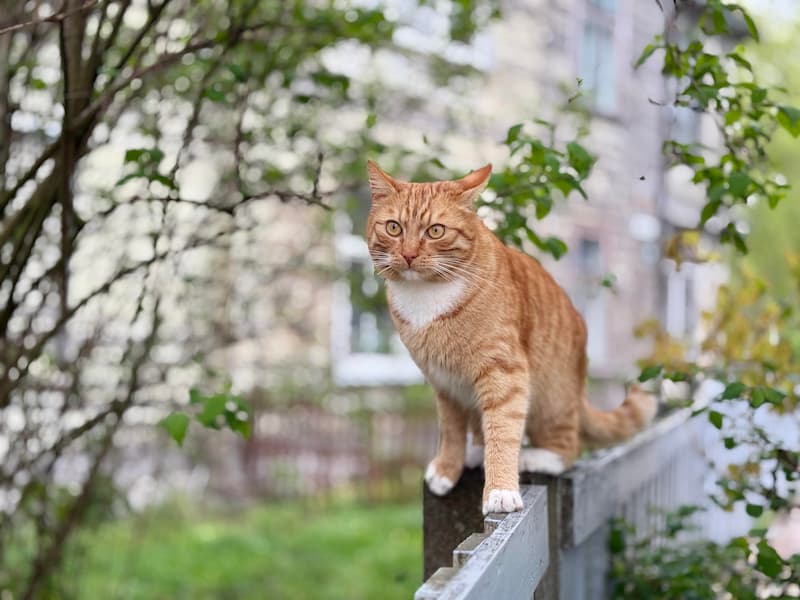 A note about your cat digging up garden beds, using a sandpit as a litter tray, or yowling at 2am isn’t fun to find on your door. Unlike dogs, cat complaints are rarely about noise while you’re out. They’re almost always about roaming: where your cat goes, what it does there, and who it disturbs along the way…
Why cats end up in the neighbour’s yard
Roaming is instinctive for cats – it’s how they patrol territory, hunt, and (if not desexed) find mates. It’s just what an unconfined cat does. Your neighbours just might not enjoy when your cat might:
- Toilet in garden beds or vegetable patches
- Yowl or fight with other cats, especially at night
- Kill or bring home local wildlife
And, some people simply don’t want a cat in their yard. So, here are some steps you can take to help manage the expectations of your cat and your neighbours!
Step #1: First, talk to your neighbour
A direct, low-key conversation goes further than letting it sit. Acknowledge the issue, mention what you’re doing about it, and ask them to let you know if it continues. Most people just want to know it’s being taken seriously, not that you’ve solved it overnight.
Step #2: Get your cat desexed (if they aren’t already)
This is the single biggest lever for roaming and night-time yowling. Desexed cats roam far less, are less likely to spray or fight, and lose most of the mating-driven urge to travel. If your cat isn’t desexed yet, this is worth doing before anything else on this list.
Step #3: Deal with night-time yowling
If yowling continues after desexing, it’s usually one of two things; territorial disputes with other neighbourhood cats, or an older cat with age-related disorientation.
Given cats can see pretty well in the dark, they’re partial to 3am prowl, and anything that triggers their senses will have them letting the neighbourhood know!
Keeping cats in overnight (which is increasingly required anyway) resolves most of this by removing the trigger – other cats, unfamiliar territory – entirely.
Step #4: Contain your cat – it’s increasingly a legal requirement, not just a courtesy
A growing number of Australian councils now have cat curfews or full containment rules, and the trend is toward more, not fewer.
Requirements vary a lot by state and even by suburb. Some councils only require containment overnight, others require cats to stay on the owner’s property at all times, and some newer housing estates have containment written into planning conditions from day one.
Because rules differ this much by location, the only reliable move is to check your specific council’s website. A bonus tip, too: don’t assume your suburb is exempt just because a neighbouring one is. Here are some quick links to help research your area: NSW | ACT | VIC | SA | QLD | WA | NT
Step #5: Bring in support if your cat struggles being contained or home alone
Some cats adjust quickly to indoor living or a catio; others take longer, especially if they’re used to roaming freely. If your cat seems distressed, bored, or is going long stretches alone while you’re at work, in-home cat sitting or a daily visit can help bridge the adjustment — company and stimulation without needing to leave the property.
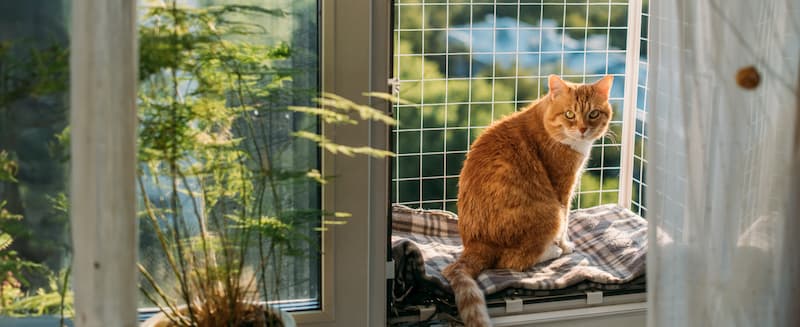
Build a catio or secure space so they can still enjoy the outdoors
Practical ways to contain a cat without cutting off their world entirely:
- A catio or outdoor cat enclosure — gives outdoor time without off-property roaming
- Cat-proof fencing — angled fence toppers or rollers stop cats climbing out
- A supervised harness and lead — works for some cats, especially if started young
- Gradual transition to indoor living — enrich the indoor environment (climbing space, window perches, scratching posts, play sessions) so it’s a genuine improvement, not just a restriction
FAQsCan my neighbour report my cat for roaming into their yard? Yes, in areas with council containment or curfew rules, and in some cases even where general nuisance rules apply. Requirements vary significantly by council, so check your specific local government website. Will desexing my cat stop it roaming? For most cats, yes, largely. Desexing removes the main drive behind roaming and yowling, though some cats will still enjoy time outdoors for its own sake, which is where containment options come in. Do all Australian councils require cats to be contained? No, it varies widely by state and council. Some have full-time containment, some only require it overnight, and some have no formal rules at all. Always check your specific council rather than assuming based on a nearby area. |