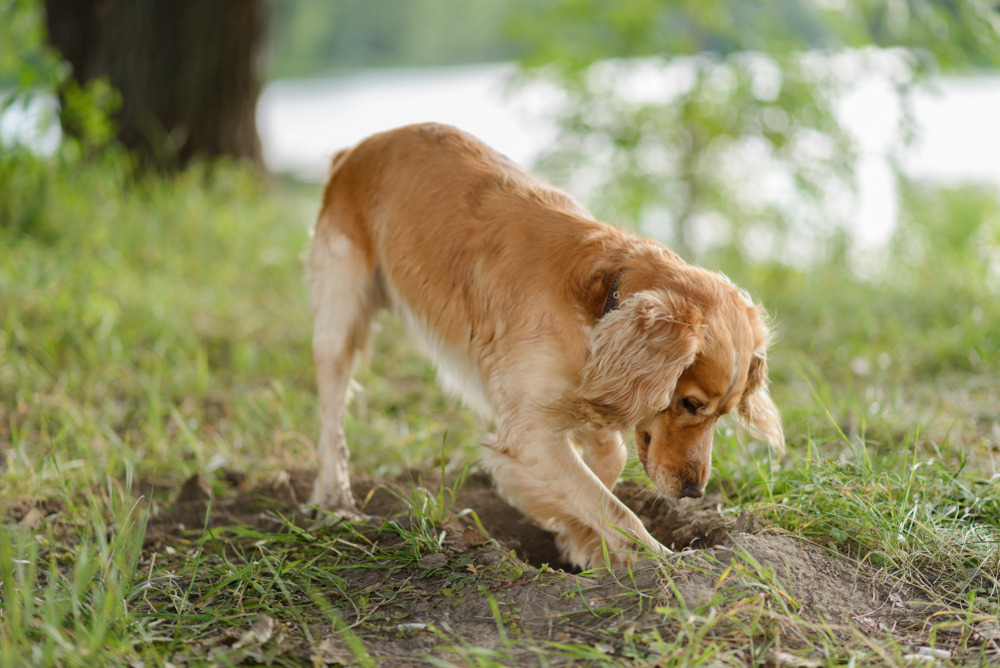
In short:Dogs dig for all sorts of reasons, from boredom and excess energy to instinct, curiosity, keeping cool or trying to escape. The best way to stop your dog digging is to work out why they’re doing it, then redirect that behaviour with more exercise, enrichment, supervision or a designated digging spot. Because digging is a natural dog behaviour, the goal isn’t always to stop it completely, but to help your dog learn where it’s OK to dig. |
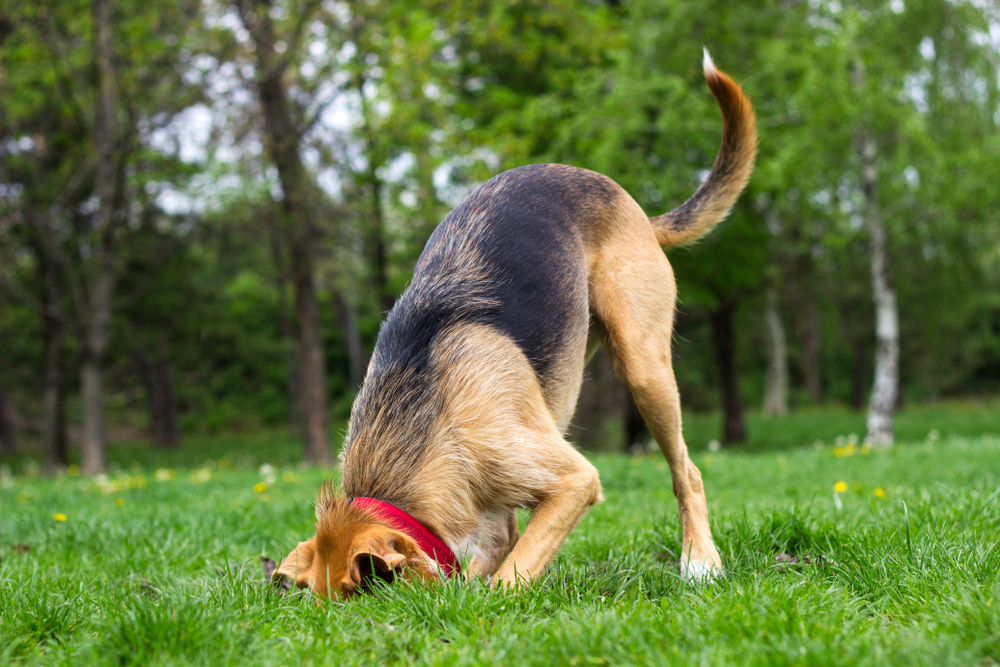 Finding a new hole in the garden is rarely the surprise you were hoping for. But before you reach for a deterrent, it helps to understand what’s driving your dog’s digging in the first place.
Why do dogs dig? And how can I stop it?
Not all digging means the same thing. Take a look at where, when and how your dog digs, as this can give you clues about what’s going on.
1. They’re bored or have energy to burn
The clue: Your dog tends to dig when they’re left outside with nothing much to do, or after they’ve had a quiet day.
Digging is a great boredom-buster from a dog’s point of view. It gives them something physical and interesting to do, especially if they’re not getting enough exercise, play or mental stimulation.
What to do:
Give them more ways to use their body and brain. Try longer walks, sniffing games, food puzzles, short training sessions or a game of fetch before letting them loose in the garden. If they’re particularly energetic, a dog walker can also help break up the day with some extra exercise and enrichment.
2. They’re following a scent
The clue: If your dog is obsessively digging in one particular spot, there may be something underneath that’s caught their attention.
Your dog can smell things underground that you can’t. Buried animals, insects, roots, compost and certain garden products can all make the ground particularly interesting.
What to do:
Check whether there’s a scent or animal attracting them to the area and limit access if possible. Avoid using garden products that may attract your dog to dig.
3. They’re trying to cool down
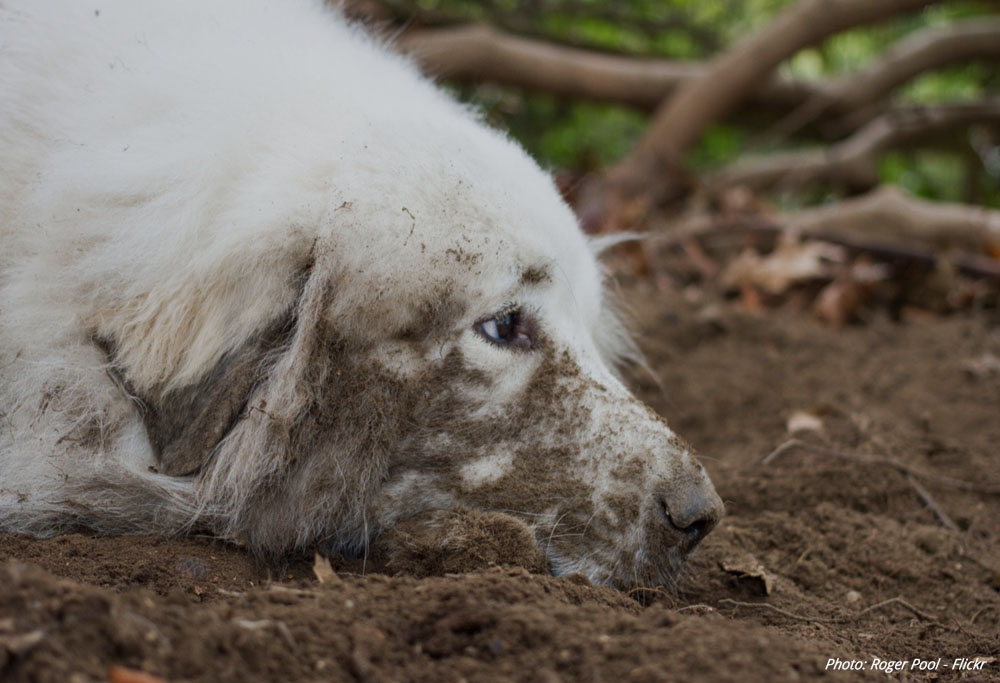
The clue: Your dog digs a shallow hole, then lies in it, particularly on warm or sunny days.
The soil underneath the surface can be much cooler than the ground above it, so digging can be your dog’s DIY air conditioning.
What to do:
Make sure they have plenty of shade, fresh water and somewhere cool to rest. On hot days, bring them inside or somewhere temperature-controlled where possible. If they’re still choosing to dig, a designated digging area can give them somewhere safe to indulge the habit.
4. They’re trying to escape
The clue: The digging is concentrated around fences, gates or other potential exit points.
Your dog may be trying to get somewhere more interesting, following a scent or animal, looking for you, or escaping because they’re bored, frustrated or anxious.
What to do:
Secure the area immediately so your dog can’t escape, then work out what’s motivating them to get out. Don’t leave them unsupervised in the area while you’re addressing the problem. If they’re showing other signs of anxiety or distress, speak to your vet or a qualified behaviour professional.
5. It’s in their genes
The clue: Your dog seems to genuinely love digging, even when they’re well exercised and entertained.
For some dogs, digging is simply part of who they are. Certain breeds, particularly terrier breeds, were bred to hunt animals underground, so digging can be a powerful natural instinct.
What to do:
Rather than trying to eliminate the behaviour altogether, give it somewhere appropriate to happen. A designated digging pit or sandbox lets your dog scratch that itch without redesigning your garden.
6. They’re burying or retrieving something
The clue: Your dog digs, drops a toy, treat or chew into the hole, then covers it up.
Some dogs like to bury prized possessions for later. It’s an instinctive behaviour, and their idea of a secure storage facility happens to be your flower bed.
What to do:
Avoid giving them high-value chews or treats in the garden if these are encouraging the behaviour. You can also give them a designated digging area and bury dog-safe toys there for them to discover.
7. They’re stressed or anxious
The clue: The digging is sudden, intense or happens mainly when your dog is left alone. You might also notice other signs of stress, such as pacing, whining, barking or destructive behaviour.
Digging can sometimes be a coping behaviour when a dog is stressed, frustrated or anxious.
What to do:
Don’t focus only on stopping the digging. Look at what’s causing the stress and address that underlying issue. If you’re concerned about anxiety, particularly separation anxiety, speak with your vet or a qualified veterinary behaviour professional.
Should I give my dog a digging pit?
For some dogs, absolutely!
A digging pit can be particularly useful for dogs with a strong natural digging instinct, including some terrier breeds.
Choose a safe, clearly defined area and fill it with dog-safe sand or another suitable digging material. You can encourage your dog to use it by burying toys or treats just beneath the surface.
Whenever they choose the digging pit instead of your garden, reward them. Over time, the goal is for your dog to learn: Garden = no digging. Digging pit = dig away!
Check out this digging pit made by Amy | Budget Bestie:

Should I be worried about my dog constantly digging?
Digging itself is usually normal. However, it’s worth paying closer attention if the behaviour is:
- Sudden or significantly more intense than usual
- Happening mainly when your dog is left alone
- Focused around fences or gates
- Accompanied by other signs of anxiety or distress
- Causing injuries to your dog’s paws or nails
- Putting your dog at risk of escaping
- So persistent that normal enrichment and management aren’t helping
In these cases, speak with your vet or a qualified veterinary behaviour professional. The digging may be a symptom of an underlying behavioural, environmental or medical issue.
Frequently Asked Questions about dogs & diggingWhy does my dog dig holes in the backyard? Dogs dig holes for many reasons, including boredom, exercise, instinct, curiosity, seeking cool ground, hiding objects, following scents and trying to escape. Working out what is motivating your dog is the first step to reducing unwanted digging. How do I stop my dog digging up the garden? Start by identifying why your dog is digging. Increase exercise and mental enrichment if they’re bored, provide shade and cooling if they’re digging in hot weather, secure escape routes if they’re digging at the fence, and redirect them to a designated digging area if they enjoy digging. Should I punish my dog for digging? No. Punishing your dog doesn’t address the reason they’re digging and may increase stress or confusion. Instead, calmly redirect them and reward behaviours you want to see. Is digging a sign that my dog is bored? It can be. Dogs may dig when they don’t have enough physical exercise, mental stimulation or social interaction. But boredom isn’t the only possible cause, so look at when and where your dog digs before deciding how to address it. Why does my dog dig at the fence? Digging around a fence can indicate that your dog is trying to escape. It can also be driven by something interesting on the other side, such as another animal. Prevent access to the escape route while you work out what’s motivating the behaviour. Is it OK to let my dog dig? Yes. Digging is a normal behaviour for dogs, and there’s no need to eliminate it completely if it isn’t causing harm or creating a safety problem. A designated digging area can be a great way to let your dog enjoy the behaviour in an appropriate place. When should I talk to a vet about my dog’s digging? Speak with your vet if digging is sudden, excessive, causing injury, accompanied by signs of anxiety or distress, or happening alongside other unusual behaviour. Persistent digging may sometimes be a sign that an underlying issue needs attention. |