
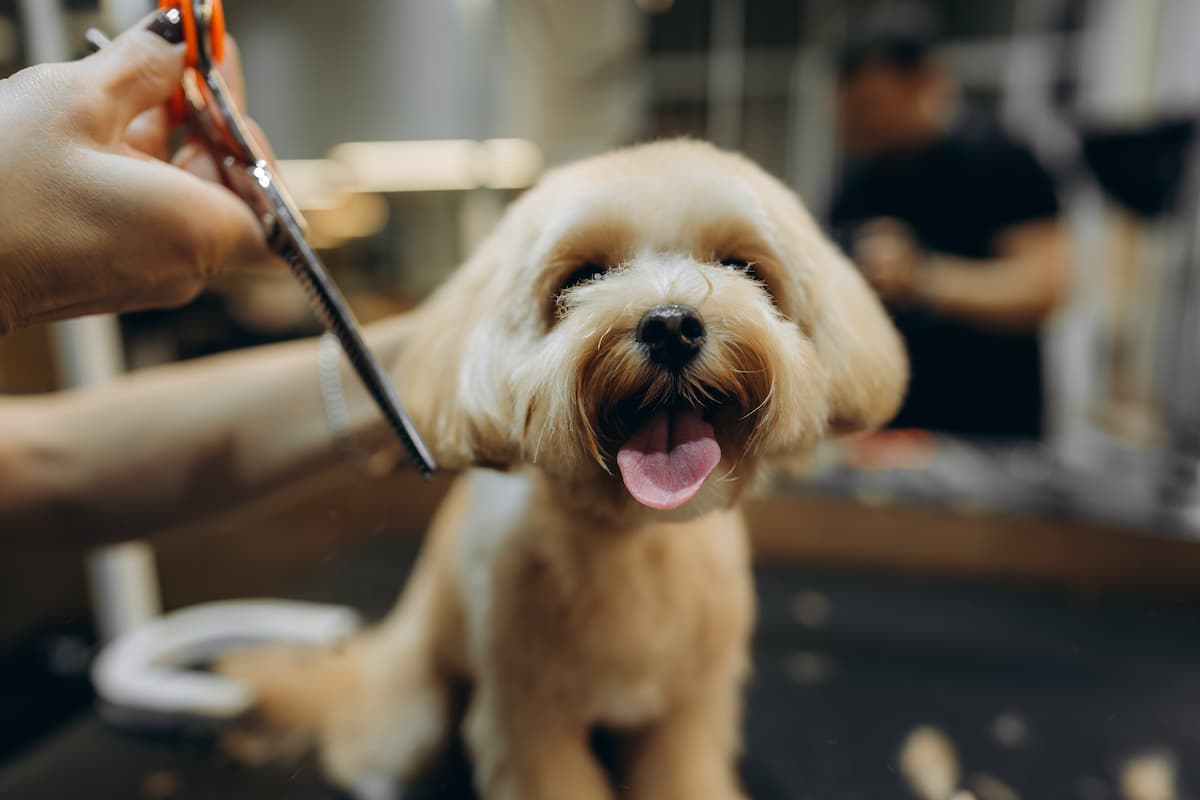
In short:Regular dog grooming isn’t just about keeping your pup looking good, it’s a key part of their health and comfort. Grooming helps dogs regulate their body temperature, keeps their skin and coat healthy, prevents painful matting and skin infections, and gives you a regular chance to spot parasites, lumps, or injuries before they become a bigger problem. So, let’s dig into why grooming matters, what you can do at home, and when it’s time to call in the professionals. |
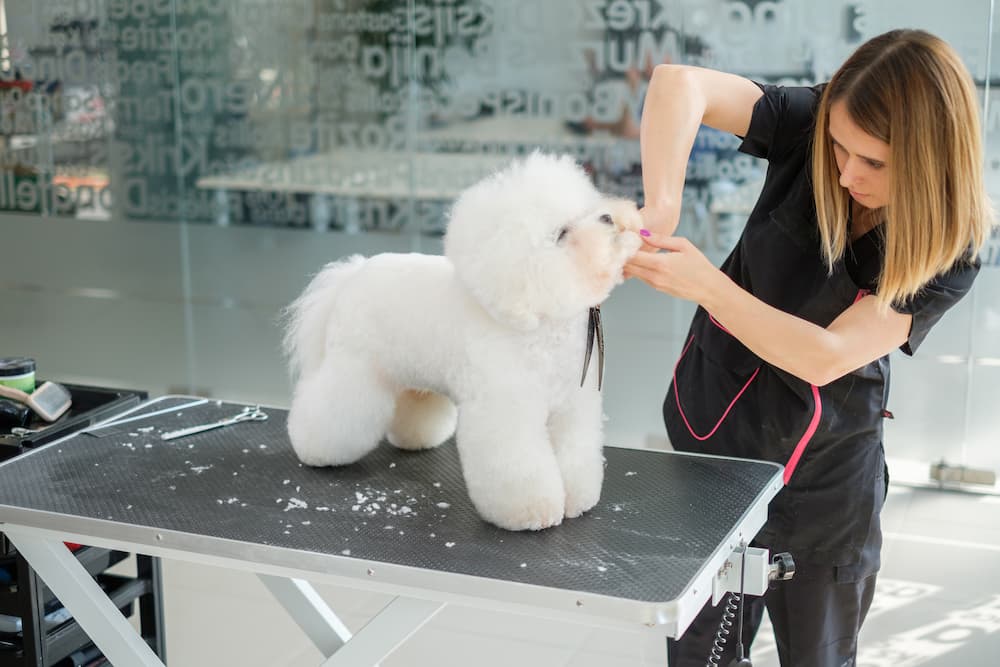
Why is dog grooming important?
As the weather heats up, your furry best friend might be feeling the heat…literally! Imagine wearing a thick, furry coat every single day of the year, rain, hail, or 35-degree heatwave. That alone should explain why grooming matters! But the benefits go further than comfort.
Why dog grooming is more than just a good hair day:
- Temperature regulation – a clean, well-brushed coat insulates in Winter and helps release heat in Summer.
- Skin health – regular brushing distributes natural oils and removes dead hair, reducing the risk of irritation and infection.
- Preventing matting – mats pull on the skin and can become genuinely painful if left too long.
- Early health checks – grooming time is prime time for spotting fleas, ticks, lumps, or injuries that might need a vet visit.
How often should you groom your dog?
Some breeds are high-maintenance in the fur department! Essentially, though, it depends mostly on coat type:
- Short-haired breeds (e.g. Beagles, Staffies) – a weekly brush is usually enough.
- Long-haired or silky-coated breeds (e.g. Maltese, Shih Tzus) – aim for daily brushing to stay ahead of tangles.
- Double-coated dog breeds (e.g. Golden Retrievers, German Shepherds, Huskies) – 2–3 times a week, more during seasonal shedding.
- Curly-coated breeds (e.g. Poodles, Doodles) – brushing every day or two, plus a professional trim every 4–8 weeks to prevent matting.
When it comes to cleanliness of fur and skin, Cocker Spaniels & Basset Hounds need extra attention. Their floppy ears can trap moisture and dirt, making them prone to infections if not cleaned regularly.
Whatever the coat type, most dogs also benefit from a professional groom every 4–8 weeks (alongside your regular at-home routine).
Can you groom your dog yourself?
You don’t always need to book a professional Dog Groomer to keep your dog in tip-top shape. A few simple at-home habits go a long way:
- Brushing – Brushing helps distribute natural oils and prevents knots, especially for long-haired or double-coated breeds.
- Nail trimming – Overgrown nails can be uncomfortable and even affect your dog’s walking. Keep them trimmed to avoid any “click-clack” runway walks on your floors.
- Ear cleaning – Floppy-eared pups are especially prone to infections, so regular ear cleaning helps keep nasty build-ups at bay.
- Paw patrol – Check between their paw pads for dirt, debris, or anything that might cause discomfort. Plus, a little paw balm can go a long way in preventing dryness or cracking!
And, don’t forget bath time! While dogs don’t need daily baths (thank goodness!), regular washes help keep their skin and coat fresh and free from allergens, dirt, and bacteria. Use a dog-friendly shampoo to avoid stripping natural oils, and make sure to rinse thoroughly.
Tools you’ll need for at-home dog grooming:
Different jobs call for different tools, and the right one depends on your dog’s coat. Here are a few key items to keep at home:
- Slicker brush: a flat or round brush with fine pins. Works well on most coat types to remove dead hair and gently detangle.
- Shedding blade or shedding brush: a horseshoe-shaped metal blade (or a more traditional brush) that’s great for heavy shedders like Labradors and Golden Retrievers. A couple of sessions a week can noticeably cut down on loose fur around the house.
- Undercoat rake: wide teeth designed to get down into a thick undercoat. Ideal for breeds like Huskies, Pomeranians, and Samoyeds that shed in clumps.
- Pet ear wipes: Look for those that slide straight over the top of your index finger, making it a very easy way to remove dirt and built-up wax.
- Grooming gloves: worn on your hand and covered in soft teeth, these gather loose fur as you pat and rub your dog, then peel off in layers. A gentler option for dogs who aren’t fans of brushes.
An online pet pharmacy like Pet Chemist will have a wide range of the best products that are made for furry friends, and can deliver direct to your door.
Signs that your dog needs a groom:
Not sure whether it’s time to book in? Look out for:
- Visible matting or tangles, especially behind the ears, under the legs, or around the collar
- A noticeable “doggy” odour that a bath doesn’t fix
- Nails that click loudly on hard floors
- Excessive shedding around the house
- Redness, scratching, or head-shaking (often a sign of ear or skin irritation)
When should you call a professional dog groomer?
Sometimes, it’s best to let the experts take over. Professional dog groomers have the skills (and patience) to handle tasks that might be tricky at home, like taming them while you lather them with shampoo them in the bath!
There are other more important reasons, however, to enlist the help of a professional Dog Groomer from time to time:
- Breed-specific haircuts – If your pup needs a special cut to stay cool or if you want a stylised cut to highlight their features, dog groomers have mastered the art! Just like these 6 most popular poodle haircuts.
- Mat removal – Mats can be painful and tricky to remove, but a pro can fix them safely.
- Deep cleaning – A good grooming session includes ear cleaning, paw trimming, and even a little doggy spa treatment!
- Parasite prevention/treatments – With the pet owner’s approval, a professional groomer can also administer flea, tick and worm medication at the time of the groom (which can be a very helpful way to keep their treatment topped up, if you book their groom in every 3 months).
- Expressing anal glands – If anal gland problems are causing irritation, a groomer can express the glands to relieve the discomfort. Some dogs might need this done regularly.
How much does dog grooming cost?
Professional grooming in Australia typically runs anywhere from around $50 for a small dog’s basic wash and tidy up to $150–$200+ for a full groom on a large or heavily-coated breed. The exact cost depends on your dog’s size, coat condition, the service you choose, and your location. Mobile grooming usually costs a bit more than an in-salon visit. Check individual groomer profiles for exact pricing in your area.
Frequently Asked QuestionsHow often should you groom your dog?It depends on coat type. Short-haired breeds usually need a weekly brush, long-haired and double-coated breeds need brushing several times a week (or daily), and most dogs benefit from a professional groom every 4–8 weeks. Can I groom my dog myself?Yes, basic maintenance like brushing, nail trims, ear cleaning, and bathing can all be done at home between professional grooms. Tasks like mat removal, breed-specific cuts, and expressing anal glands are best left to a professional groomer. What happens if you don’t groom your dog?Neglected grooming can lead to painful matting, skin infections, overheating, and missed early warning signs of parasites, lumps, or injuries. It can also mean more shedding and odour around the house. How much does dog grooming cost in Australia?Prices generally range from about $50 to $200+ per session, depending on your dog’s size, coat type, and the service required. At what age should puppies start being groomed?Most puppies can start light grooming (gentle brushing and getting used to handling) from around 8–10 weeks old, once they’ve settled into their new home. Early, positive exposure makes grooming much easier as they grow. |
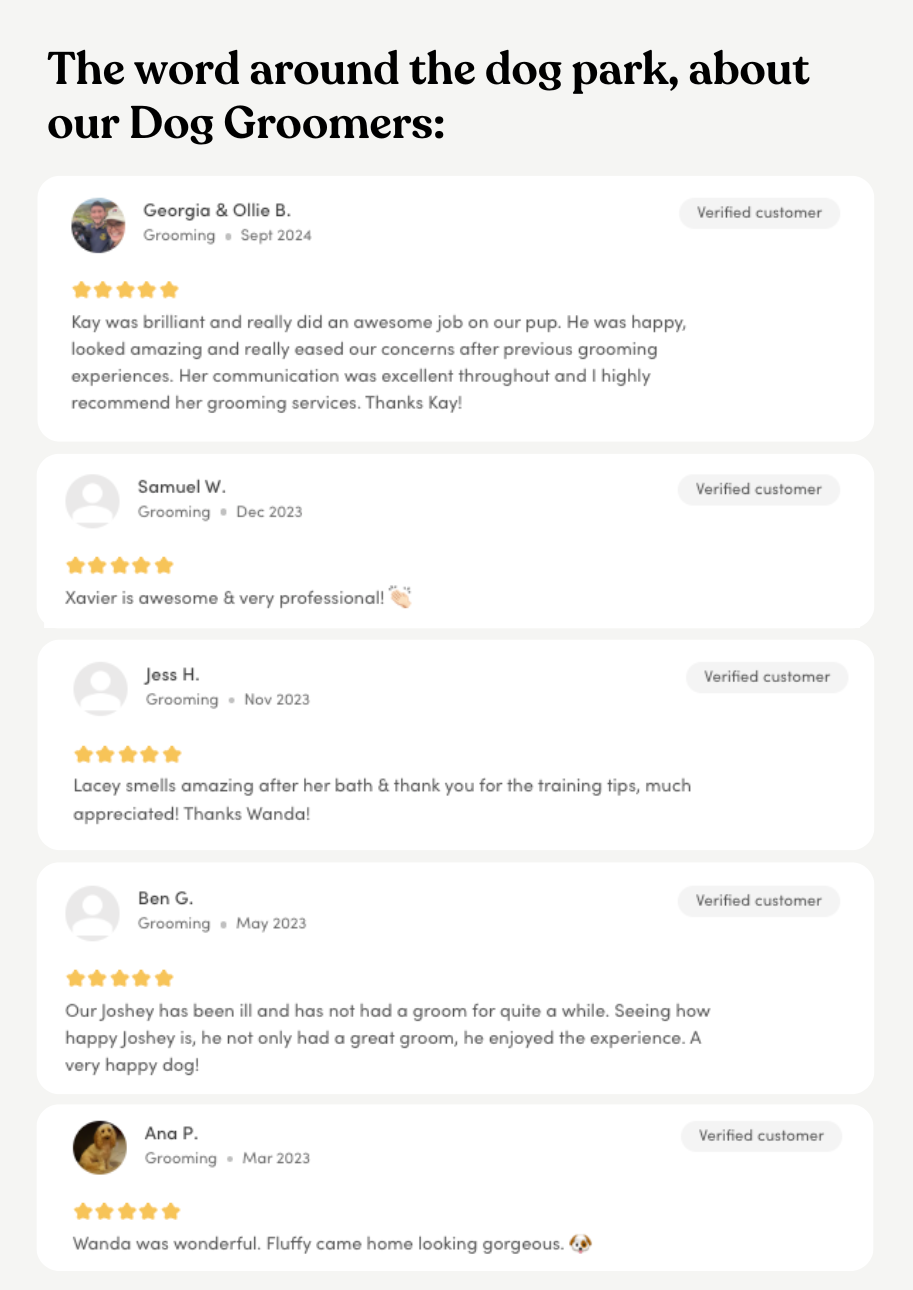
If you’re searching the internet for ‘mobile dog grooming near me’, check out the profiles of our Mad Paws Dog Groomers in your area. On each groomer’s profile you can read about their experience, and view before & after photos from previous bookings.
 At the end of the day, regular grooming isn’t just about looking cute – it’s a must for your dog’s health, comfort, and happiness. So grab that brush, and take this as a sign to book their next grooming appointment with a professional, and give your pup the pampering they deserve!
Search for a Dog Groomer in your area >
Curious how grooming became such a big part of dog ownership in the first place? Read about the surprising history behind why dogs need grooming.