
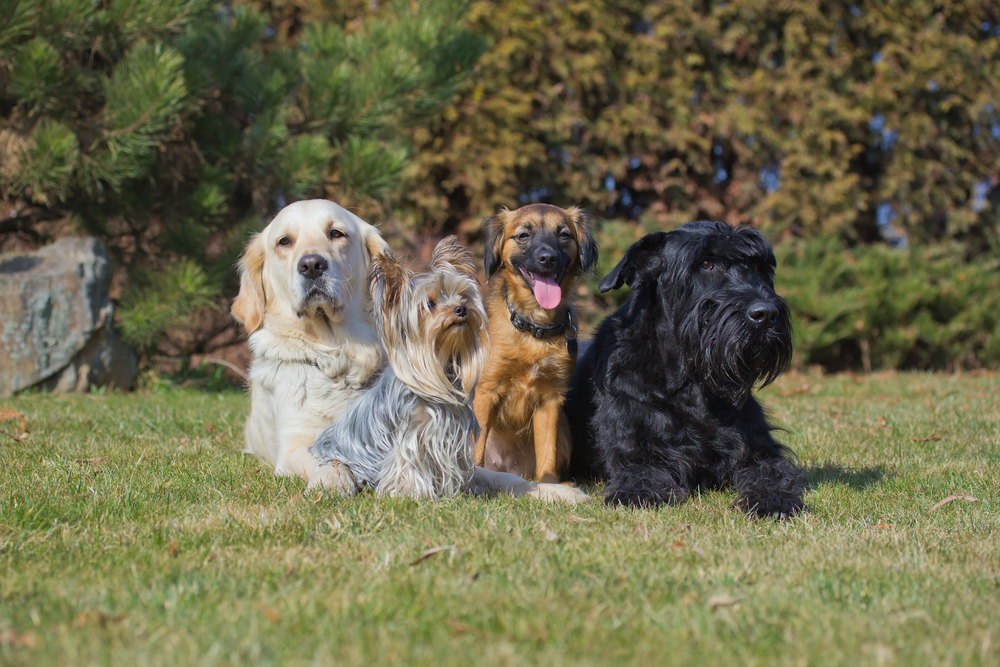
As a Dog Owner, you’ve probably picked up on some of your dog’s many different forms of communication. You know when they’re hungry and when they need to go outside.
But at the dog park? They’re having entire conversations you’re not part of!
The thing is, very little of it involves barking. Most of their communication is happening through body language, scent, and subtle physical cues that happen in seconds.
Here’s what’s actually going on.
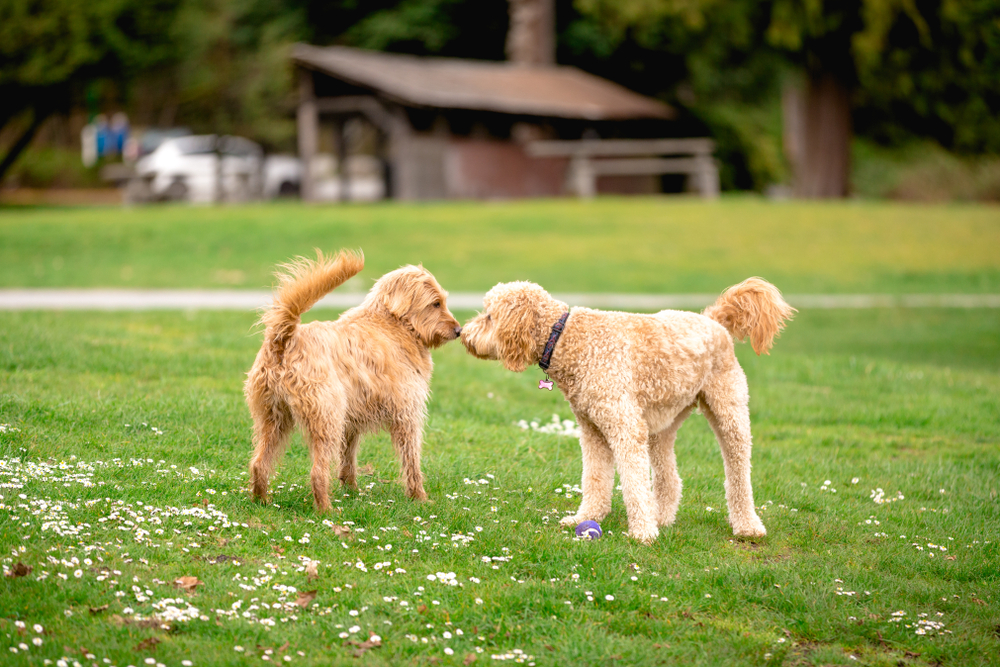 In this article, we’re going to cover some of the basics of how dogs talk to each other so that you can drop in on their dog park conversations!
3 distinct ways dogs speak to each other:
1. The stuff you can hear: verbal communication
Barking is the obvious one, but not all barks are created equal. A high-pitched, rapid bark at the fence is very different from a low, slow bark directed at another dog on the path. Dogs use tone, pitch, and rhythm to signal everything from “let’s play!” to “I’m warning you. You can learn more about the many different kinds of barks in our article, What Your Dog is Trying to Tell You When they Bark.
Beyond barking, there’s a whole vocabulary:
- Howling is long-distance communication — a way of saying “I’m over here, where are you?” It’s why one dog howling in the neighbourhood can set off a chain reaction.
- Growling gets a bad rap, but it’s actually useful information. It’s your dog’s way of saying “I’m uncomfortable” before things escalate. A growl during play sounds totally different from a warning growl — and other dogs know the difference.
- Laughing (yes, really). That breathy, forced panting sound your dog makes during a good play session? Researchers believe it’s the canine version of a laugh. Other dogs respond to it positively.
- Sighing can mean “I’m relaxed and content” or “I’m over this situation” depending on context. Dogs read those nuances just fine.

2. The stuff you can see: body language
A dog’s body language is where the real conversation happens. Before two dogs even reach each other at the park, they’ve already exchanged a lot of information through posture, eye contact, and movement.
- A dog’s tail is a mood barometer, but position matters as much as movement. A tail held high and wagging stiffly can actually signal tension or dominance, while a loose, mid-height wag is relaxed and friendly. A tucked tail is a clear signal that they’re scared and/or not looking for trouble.
- Eye contact is serious business between dogs. A direct, hard stare is a challenge. Looking away or softening the gaze is the opposite. It’s a de-escalation move – their polite way of saying “I come in peace.” Dogs do this deliberately, and it works.
- The play bow (front legs stretched forward, bum in the air) is one of the clearest signals in the dog dictionary. It means: whatever happens next is just play, okay? Dogs use it to kick off a chase, reset after rough play, or just invite a new friend to run around.
- Muscle tension is something to watch for. A loose, wiggly dog moving with an easy gait is relaxed. A dog that suddenly goes stiff (showing a tight jaw and/or a rigid body) is telling every dog nearby that something has shifted.
- Yawning, lip licking, and looking away are all “calming signals”. These are subtle moves dogs use to diffuse tension and avoid conflict. If your dog does these around an unfamiliar dog, they’re being remarkably socially intelligent.
- Belly up is context-dependent. This one is most often misinterpreted. In the middle of a playful tumble with a friend, it’s just fun. But a dog rolling onto their back when approached by a stranger dog, with stiff muscles and wide eyes, is showing submission — not asking for a pat.
3. The stuff you can’t detect at all: scent
As humans, we can do a pretty good job of learning our dog’s verbal and physical communications. But here’s the one humans will never fully access.
Dogs communicate through pheromones and scent in ways that are completely beyond our perception…but incredibly rich for them!
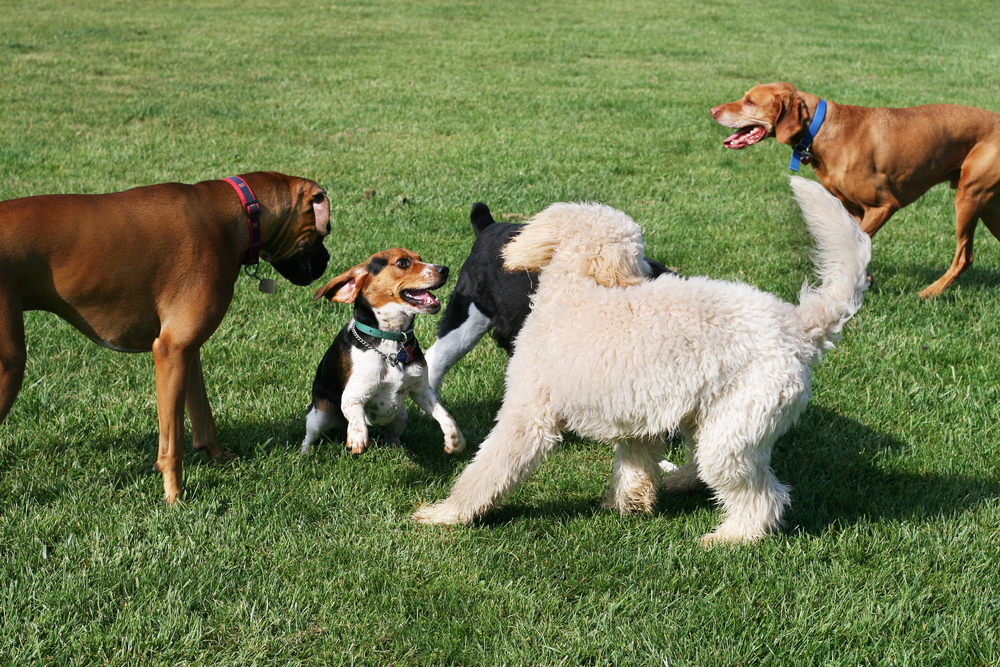
When your dog sniffs another dog’s rear end (yes, that), they’re reading a full profile: age, sex, diet, health, reproductive status, and emotional state. It’s basically a LinkedIn profile, but useful.
Urine marking on trees and poles isn’t just territory – it’s leaving a message. Other dogs can tell who was there, when, and what kind of mood they were in. That’s why your dog insists on sniffing every single post on your morning walk. There’s genuinely a lot of news there.
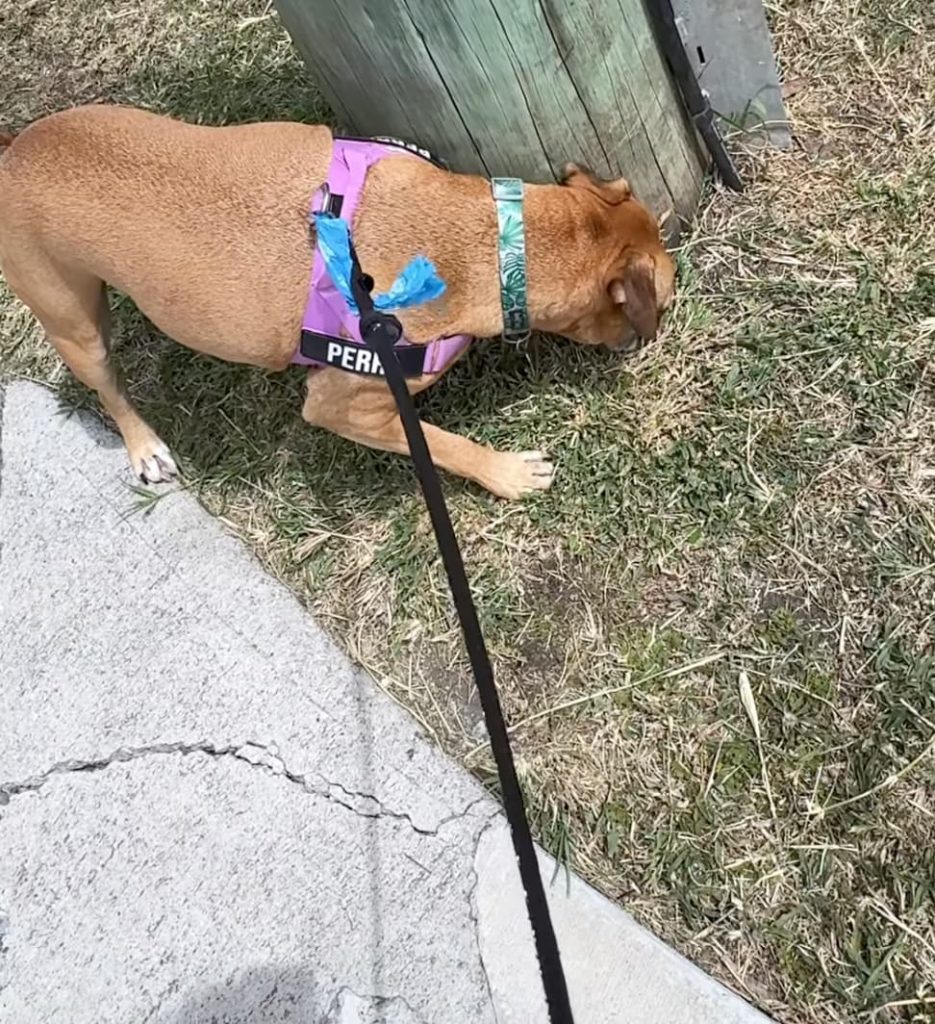
No wonder they love stopping at every lamp post!
Keep an eye on your pooch during your next dog park visit!
Learning more about how dogs communicate isn’t just fascinating. It can also help you foster a more enriching and enjoyable lifestyle for your dog. Allowing them to talk to other dogs, for instance, is a wonderful way for them to socialise and feel more connected to the furry friends around them. And, knowing when your dog is showing signs of discomfort can mean that you can step in before polite canine conversation breaks down completely.
If your pup is one to struggle with dog-to-dog speaking, make sure that you’re always there to lend a helping hand. If you’re not able to be there with your pup, it can be beneficial to leave them in the care of a dedicated Dog Sitter instead of in a kennel where they might be overwhelmed with so much social interaction.
Now that we’ve answered the basics of how dogs speak to each other, you can put your canine language learning skills to the test at your next dog park visit!
