
*UPDATED AUGUST 2026*
In short:
|
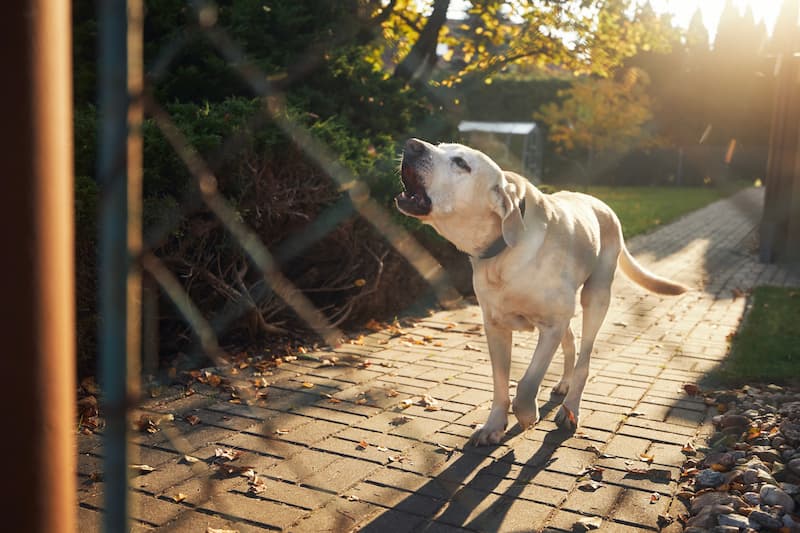
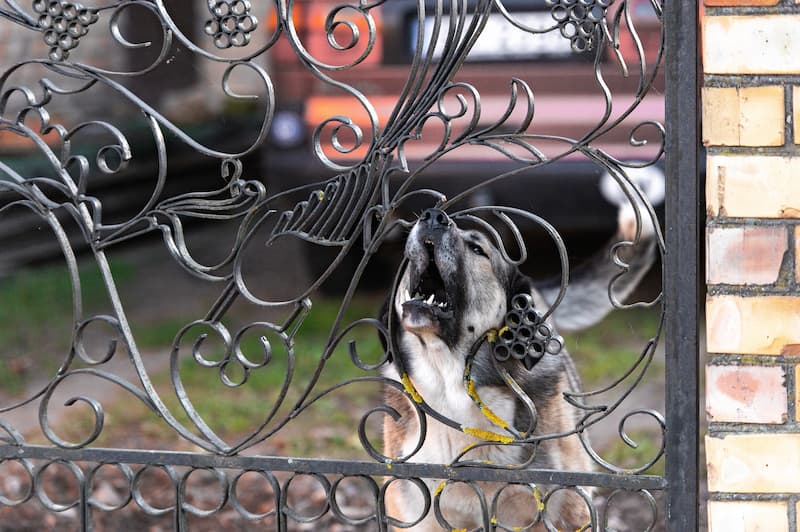
If you’ve come home to a note about your dog barking all day, you’re not alone. And, it’s fixable.
We understand just how defeating a situation like this can be for pet parents. Your furry friend is such an angel when you’re home. How are you supposed to control them when you’re not around?
Most times, neighbours complaining about dog barking comes down to one thing: your dog is either distressed or under-stimulated while you’re out, and barking, howling or digging is how that shows up.
Here’s how to sort it out, starting with your neighbour and ending with your dog:
Step #1: First, talk to your neighbour
Before anything else, have a conversation with your fellow humans over the fence. Most people aren’t trying to escalate situations like this… they just want to know it’s being taken seriously. A quick chat (or note, if you keep missing each other) that acknowledges the issue and says you’re working on it goes a long way. Ask them to flag if it happens again, rather than going straight to a formal complaint or the landlord.
Step #2: Find out why your dog is barking/disturbing the street
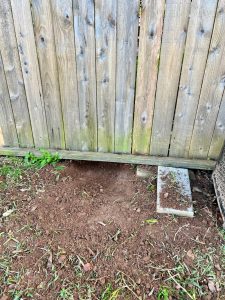
Neighbours complaining about dog barking, howling, and whining is the most common issue. Then, throw in the occasional ‘digging under the fence’ for good measure!
Barking while you’re away is almost always a symptom, not the problem itself. The two most common causes are:
- Separation-related distress (your dog is genuinely anxious about being alone)
- Boredom or pent-up energy (your dog is under-stimulated and therefore, self-entertaining)
These need different responses, so it’s worth figuring out which one you’re dealing with before you try to fix it. We’ve gone deeper on this in two other articles; Not all pet anxiety comes from fear and How to train separation anxiety out of your dog — both worth a read if this sounds like your situation.
In the meantime, a few things help regardless of the cause:
- A solid walk or play session before you leave, because a tired dog has less energy to spend on barking
- Enrichment while you’re out: a stuffed treat toy, a snuffle mat, or treats hidden around the house
- Reducing outside triggers (closing blinds or moving your dog away from a window that looks onto the street)
- Leaving low-level background noise (radio, TV) so the house doesn’t feel silent and abandoned
Step #3: Help control their barking and digging
Digging along a shared fence line isn’t just a landscaping problem. It’s often how dogs end up loose in the neighbourhood, which makes any complaint worse. Exercise helps here too, along with a physical barrier (like buried wire mesh) if your dog has a favourite spot. If they’re burying toys, keeping toys inside solves it fast. For more detail, see how to stop your dog from digging.
When it comes to barking, there are ways you can train a dog to stop excessive barking in specific situations. One example: First, try rewarding your doggo every time he goes out to the backyard and doesn’t bark. If that’s not working, try stepping outside with him on a long leash. Let him explore, sniff and do his business as he normally would but the moment he starts barking, take him back inside with a firm “QUIET!”.
Feel you need some back-up here? Browse Dog Trainers in your area who can help speed up the process.
Step #4: Know where you stand if it doesn’t resolve
In Australia, ongoing barking can be treated as a noise nuisance under local council rules. And in some states, neighbours can lodge a formal complaint if informal chats don’t work. Rules and thresholds vary by council and by state, so it’s worth checking your local council’s website if things escalate. Here are some quick links to help:
NSW | ACT | VIC | SA | QLD | WA | NT
Step #5: Bring in support if your dog can’t manage full days alone
Some dogs do better with company or a change of scenery during the day, especially if you work long hours. A few options:
- Doggy daycare — a few days a week can take the pressure off entirely
- Dog walking — a midday walk breaks up the day and burns energy
- In-home pet sitting — someone checks in or stays with your dog in familiar surroundings, which can help more anxious dogs settle
FAQsWhy does my dog only bark when I’m not home? It’s usually separation-related distress or boredom. Dogs that are relaxed with company but anxious or under-stimulated alone often only show the behaviour when they’re by themselves. Can my neighbour report my dog for barking in Australia? Yes – ongoing barking can be treated as a noise nuisance under local council rules, and neighbours can lodge a formal complaint if it continues. Specific rules vary by council, so check your local council’s website for the process in your area. Will doggy daycare fix barking or separation anxiety? It can help significantly for dogs whose barking is driven by boredom or loneliness, since it removes the long stretch of alone time. For dogs with genuine separation anxiety, it’s often part of the solution alongside training. See our guide on training separation anxiety out of your dog. |
One final note: Give it time
Behaviour change doesn’t happen overnight. Stick with the routine, and expect some off days along the way. If your neighbours complaining about dog barking, make sure to keep them in the loop that you’re working on it! Most dogs settle within a few weeks once the actual cause (anxiety, boredom, or both) is being addressed.