
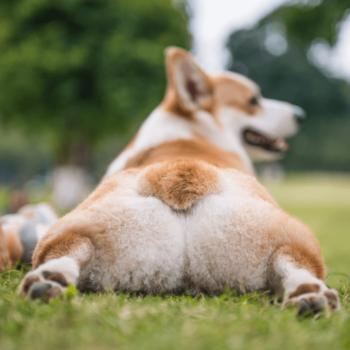
In this Dog Breed Corner, we cast a discerning eye at the Queen’s favoured breed of canine: the Welsh Corgi. Learn about the Welsh Corgi’s personality traits, history, trainability, living needs, and more! Do you need someone who can give your Welsh Corgi the royal treatment? With Mad Paws, you can find Corgi-friendly Pet Sitters on the Gold Coast, Adelaide, and all ’round the nation!
 Quick Facts ✔
Height – 25 – 30cm
Lifespan – 12 – 15 years
Country of origin – Wales
Breed type – Herding Dog
- Families with children
- Apartment living
- Active Owners
Welsh Corgi Breed History ♜
The modern-day corgi has a surprisingly epic backstory packed with migration, mythology, and a whole lot of cattle.
It begins around 1200 BCE, when Celtic settlers arrived in Wales (especially Cardigan) bringing livestock and working dogs. These dogs evolved into early herding companions, prized for their intelligence, stamina, and low-slung build that kept them safely below kicking hooves.
Fast forward to around 1100 AD, and a second wave of similar dogs arrives in Pembrokeshire with Flemish weavers invited by King Henry I. These newcomers brought their own small herding dogs, and suddenly Wales had two very similar “corgi-type” lines living side by side. To keep things simple, they became known as the Cardigan Welsh Corgi and the Pembroke Welsh Corgi.
Both were bred for the same job: cattle herding. Their short legs weren’t accidental cuteness, they were functional design, letting them dart under cattle and nip at heels while avoiding danger. Over time, the two types were freely interbred until formal breed standards finally separated them in the 20th century (UK Kennel Club in 1928, followed by the AKC in 1934). Today, both breeds are distinct but equally adored.
And the name? “Corgi” comes from the Welsh words for “dwarf” and “dog”, a literal description that has somehow stuck for centuries.
Layered on top of all that history is a touch of folklore. One Celtic myth says corgis were gifts from fairies, used as mounts for tiny warriors or to pull fairy carriages. The lighter markings on their shoulders were even said to be traces of magical saddles.
From working fields to royal palaces, corgis have gone from cattle herders to cultural icons. Their adaptability, bold personality, and compact chaos energy have kept them beloved worldwide ever since.
Welsh Corgi Personality Traits ★
They’re a pint-sized pooch with the heart of a lion!
This is a confident, assertive doggo that doesn’t know just how small they are. Here’s what that looks like in real life:
- Big attitude, small package – Confident, assertive, and bred to face much larger animals, they’ve got a fearless streak that can surprise first-time owners. They can also become quite protective of their people and home turf.
- Centre-of-the-action syndrome – Wherever life is happening, that’s where they’ll be. In the middle of the couch while you’re trying to relax….right behind you as you head to the door…”helping” with every single task you didn’t ask for help with. You get the picture, right?
- Social butterflies (with opinions) – When well-socialised, they’re friendly, outgoing, and keen to meet new humans and dogs. Without that foundation, their herding instincts can turn a bit bossy or nippy, which means early training is key, especially in households with kids.
- Smart, playful, and… loud about it – Corgis are clever enough to invent their own entertainment if bored, and vocal enough to narrate the process. That signature bark is often part invitation, part announcement, part dramatic commentary.
- Attention required, not optional – Many Pet parents consider getting a second dog for company, but a well-stimulated corgi can absolutely thrive solo. The real secret ingredient is time, engagement, and making them feel included in the action.
In short: give a Welsh Corgi them structure, socialisation, and a front-row seat to your life, and you’ll get a loyal, hilarious little sidekick who thinks they’re the head of operations!
Trainability and Training Tips
If it’s not clear already, the Welsh Corgi needs a firm training plan to prevent them from becoming and domineering force in the household. But, this doesn’t mean that you should take a strict or harsh approach to training. Instead, your Corgi will be much more engaged and excited to play along if your training sessions speak to their herding dog nature and unique personalities.
Corgis love to be loved by their pawents, which is why positive reinforcement training is so effective with these pups. When you make them feel like a superstar for doing the right thing, they’ll quickly drop the stubborn attitude.
Because these pups may take a bit longer to learn new commands and tricks, trainers must be patient and consistent when working with Corgis. Even after this dog has mastered the basic commands, they will still require regular refreshers so that they don’t forget their manners or fall into Small Dog Syndrome.
Early socialisation is also a must for a Welsh Corgi. Giving them the chance to interact calmly and positively with strangers and other animals will ensure that they grow up to be polite and friendly.
 Welsh Corgi Exercise Needs
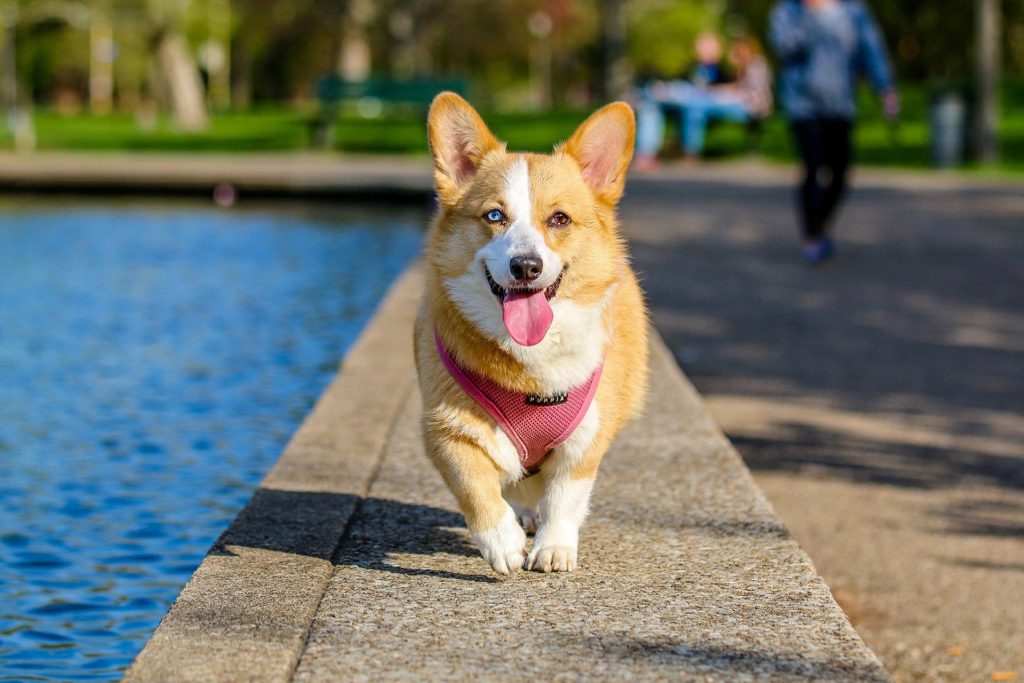
Don’t fall into the trap that little legs equal low energy. Welsh Corgis can give some of the much bigger dog breeds a run for their money. Corgi Owners need to ensure that these little pooches get enough daily exercise to keep them from becoming destructive, whiney, and loud in the house. Sufficient exercise will also help them to overcome their deep-rooted herding instincts.
Because of their small stature, Corgis do tend to tire out more quickly than some larger doggos. So, it’s a good idea to give them shorter, more frequent exercise sessions rather than a long walk. If you need help breaking down the exercise routine into smaller chunks, calling in an experienced Dog Walker is a great option.
Living Conditions ⌂
Despite their high-octane pep, the Welsh Corgi can adapt to apartment living if they receive their daily exercise. Like all dogs, they will love any outdoor space that you can give them, but even with a backyard, this dog will still need extra exercise outside the home.
Do remember that this is a doggo with a loud bark, so they may not be appropriate for quiet apartment buildings.
Due to their short legs, there are a few changes that you can make around the house to make your pup more comfortable and safe. Ramps are a great way to allow your Corgi access to their favourite snuggle spots without putting them at risk for falls. These accommodations will become even more important as your Welsh Corgi gets older. For more tips on how to care for an aging Corgi, make sure to read our article on How to Help Your Dog Age Gracefully.
Welsh Corgi Grooming ✄
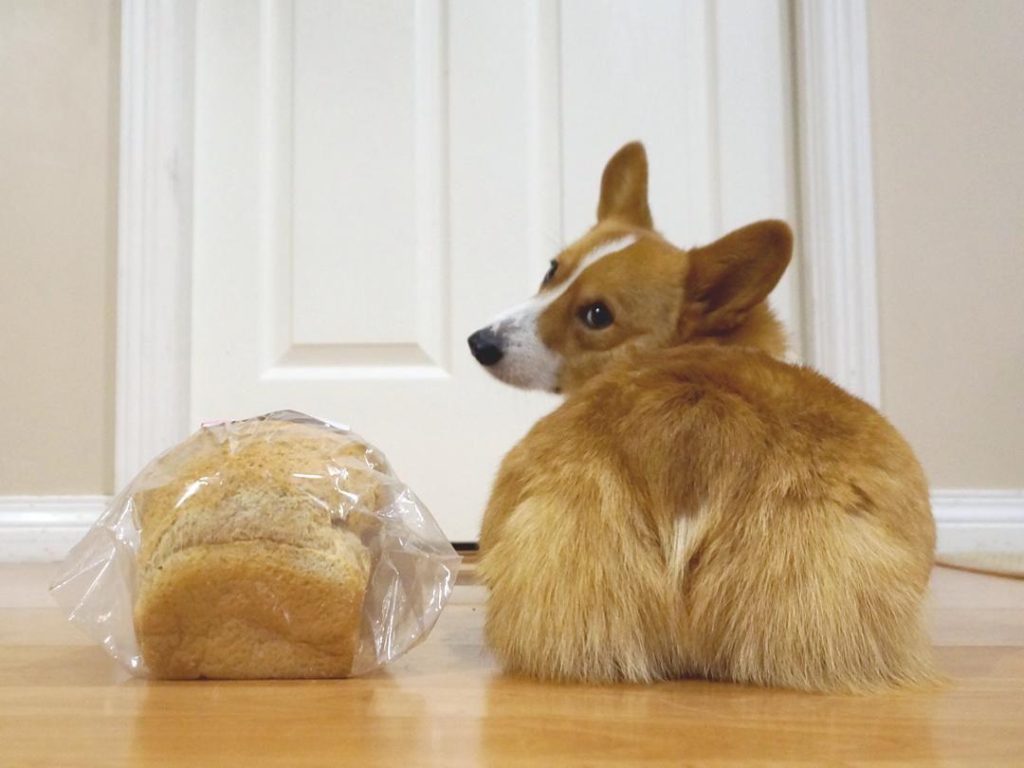
As with many dogs that hail from the cold north, Welsh Corgis sport a thick, fluffy coat. While that fur is short, these dogs shed heavily, and the best way to keep the fur from taking over your home is with regular brushing. In general, about ten minutes of daily brushing or less is sufficient to keep ahead of the fur storm.
Bathing on the other hand, shouldn’t take place more than once every few months.
The Cardigan Welsh Corgi can have longer hair than the Pembroke, but grooming isn’t too different. Don’t make the mistake that some Owners do of trimming their Corgi during the warmer months. Those longer coats may look hot, but that hidden under coat will keep your Corgi cooler than you think. When bathing a long-haired Cardigan Corgi, make sure to buy special shampoo for long-haired dogs and rinse it completely.
Other grooming tasks such as dental care, ear cleaning, and nail trimming should be done regularly to keep the Welsh Corgi healthy and beautiful.
 Welsh Corgi Health +
When fed and exercised properly, Corgis are a healthy breed. But there are a few things to look out for in this breed:
- Progressive Retinal Atrophy
- Cataracts
- Retinal Dysplasia
- Hip Dysplasia
- Epilepsy
- Von Willebrand Disease, a congenital blood disorder
This list of issues are common in many dog breeds, but there are a few more that are unique or particularly significant to short-limbed and long-spined dogs like the Welsh Corgi. For instance, Intervertebral Disc Disease is related to ruptures in the spinal disc due to the Corgi’s long spine. Degenerative Myelopathy is another spine-related disease that can cause pain, discomfort, or loss of feeling in the lower back.
Obesity is another issue that is particularly dangerous to a breed like the Welsh Corgi. The extra weight is extremely hard on their frames; even a kilo of weight gain can cause significant discomfort and related health issues.
Welsh Corgis are food-motivated dogs, so it’s very important to make sure that they maintain a healthy weight and get plenty of exercise.
Fun Fact(s) ♥Would you believe us if we told you that the Welsh Corgi is closely related to the Siberian Husky? It’s true! These dogs both belong to the spitz group from Northern Europe. You can tell by their pointed ears, wolf-like muzzle and thick coat.
– The Queen’s furry security detail In fact, we’ve compiled a list of facts about the Queen’s Corgis so that you can learn all about these furry little royals! |
 And, Queen Elizabeth II has long been known as a corgi-loving ruler. Because of this, Corgis have been the subject of many-a-meme, including being labelled:
Final Thoughts on the Welsh Corgi
Plenty of personality and confidence packed into those little legs, the Welsh Corgi is here to make a statement. The boldness and unique personality of this tiny doggo will leave quite the impression, and Corgi Owners tend to be loyal (just ask the Queen!)
These puppers require quite a bit of training and patience so that they don’t fall into small dog syndrome habits. But provided they receive early training, they’re a wonderful family dog that will get along with children and other dogs.
These dogs are at risk for some specific health concerns, which means that Owners should be proactive about healthy habits. When properly cared for, these dogs can live a full and happy life.
If you’re looking for a dog who is happiest in the spotlight, you’re going to love this attention-seeking pup. A Welsh Corgi will keep you laughing, and if you’re not careful, they’ll run the household!
